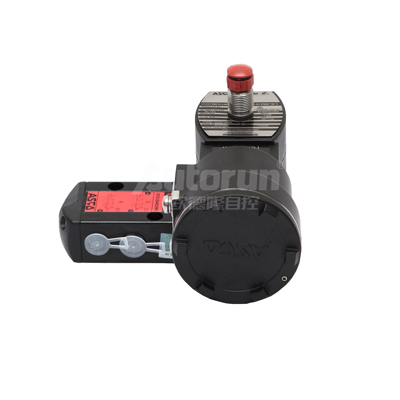
There are many potential reasons for the failure of ASCO solenoid valves, so they are considered to be complex and prone to failure devices. In fact, they are very simple and reliable. Many problems are caused by reasons other than valves, while others are due to improper application or incorrect installation.
ASCO solenoid valves should be troubleshooting starting from checking voltage and pressure input. The problem may be caused by the fluctuation of the control relay or pressure regulator that does not work. If the voltage and pressure check is qualified, observe the valve. The reasons why the direct solenoid valve can not work are as follows: low or no voltage; burnout of the solenoid coil; pressure higher than the rated pressure of the valve; external impurities in the valve; plugging of the valve core or damage of the core tube. In order to maintain normal operation, when the coil is energized, the solenoid valve core must move in the core tube and contact the plunger nut. A sharp click of metal should be heard when electrifying. The voltage supplied to the coil must be at least 85% of the rated voltage on the famous brand. If the coil voltage of solenoid valve is correct, but no click may indicate that the pipe pressure is higher than the rated pressure of the valve, check.
When troubleshooting the control cylinder of the four-way valve, the instructions of the valve must be followed. Some four-way valves require an oil mist lubricator for normal operation. Pilot controlled four-way valves usually require full-sized pipes for pressure inlet and outlet pipes. In some valves, the speed limit control device should be installed at the cylinder joint. Since cylinder failure is usually caused by itself, the following should be checked. If the pipe pressure is qualified, external impurities may prevent the spool from moving in the core pipe. If the top of the spool is hit more than millions of times, the disc expands or is cut, or the spool itself is damaged, the movement of the spool is also limited. The pilot operated valve may not work even though it hears a click when it is energized. The non-flow situation may be caused by insufficient pressure drop through the valve, diaphragm rupture or piston ring damage, blockage or restriction of the pilot hole.
The failure of pilot operated valve and direct operated valve during power failure may be caused by the following reasons: failure of control circuit; scale and other external impurities in the valve; blockage of valve core or damage of core tube; breakage of spring. The pilot operated valve may also fail during power failure due to blockage of the relief hole, damage to the seat or disc, damage to diaphragm or piston, and insufficient pressure drop through the valve.
Excessive noise (buzz or shock) of solenoid valve may be caused by the following reasons: low voltage; incorrect relay failure or electronic control signal; loosening of solenoid valve parts; external impurities on the surface of valve core or plunger nut; spring damage; excessive system pressure. The piston rod is aligned with the connecting load. Lack of lubrication; wear or leakage of piston bowl, allowing fluid to be discharged from the valve; system control with external impurities; system overload, low pipe pressure, small hose or joint size; if the problem is not in the cylinder, check the valve.