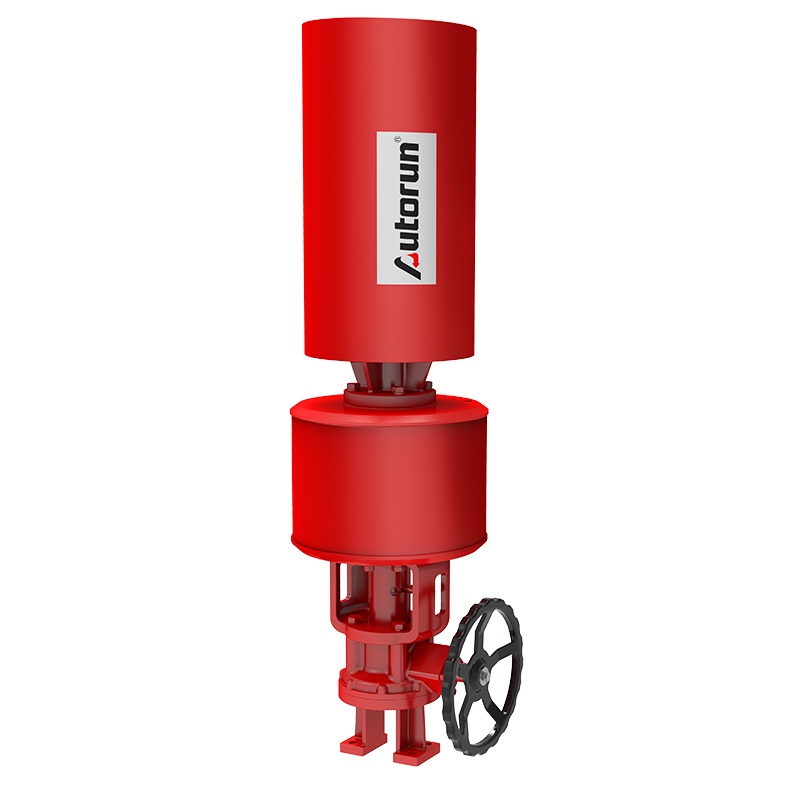
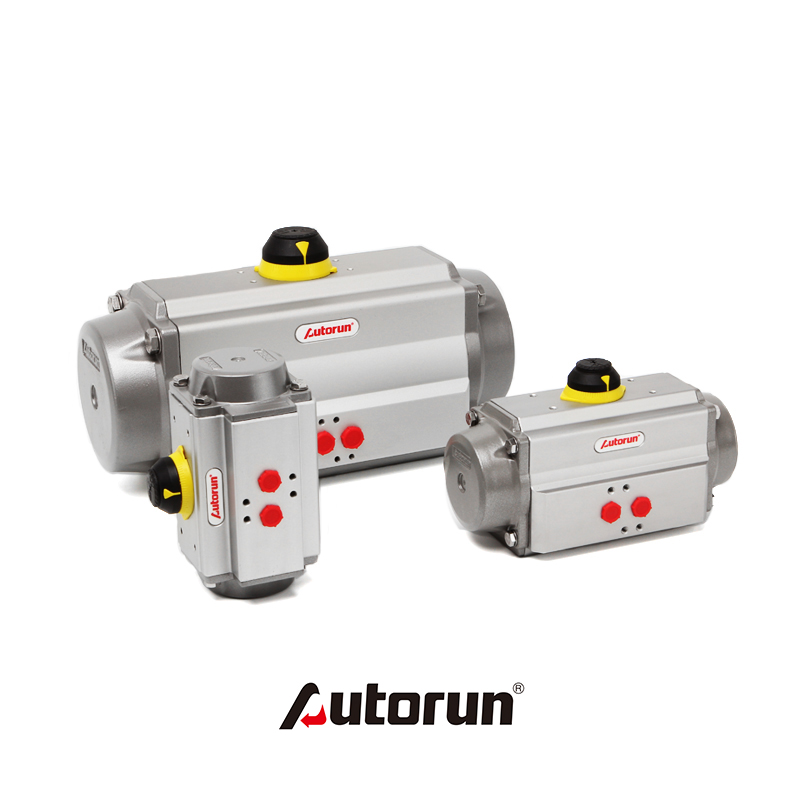
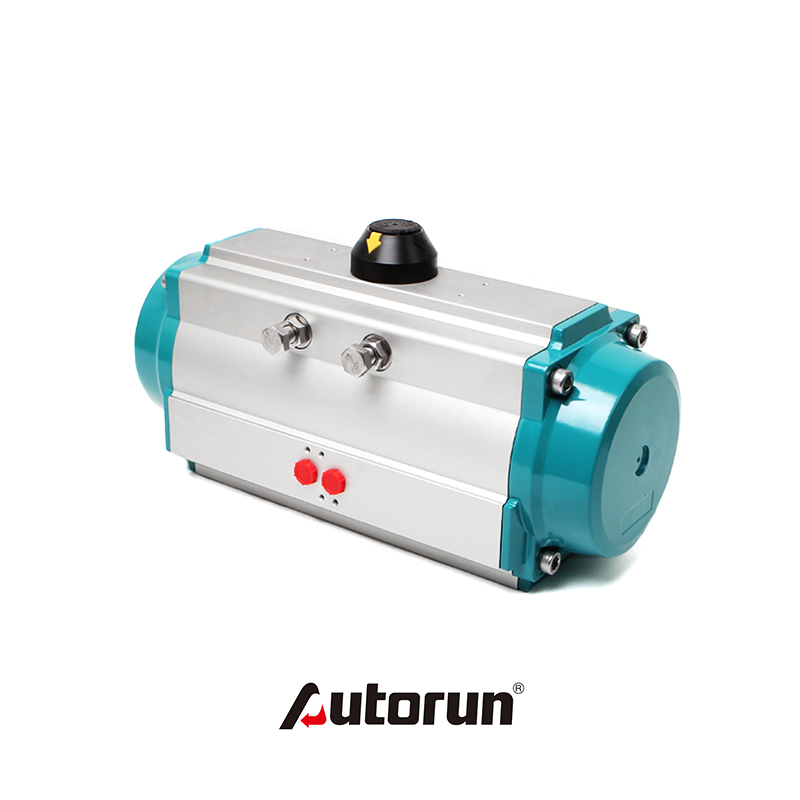
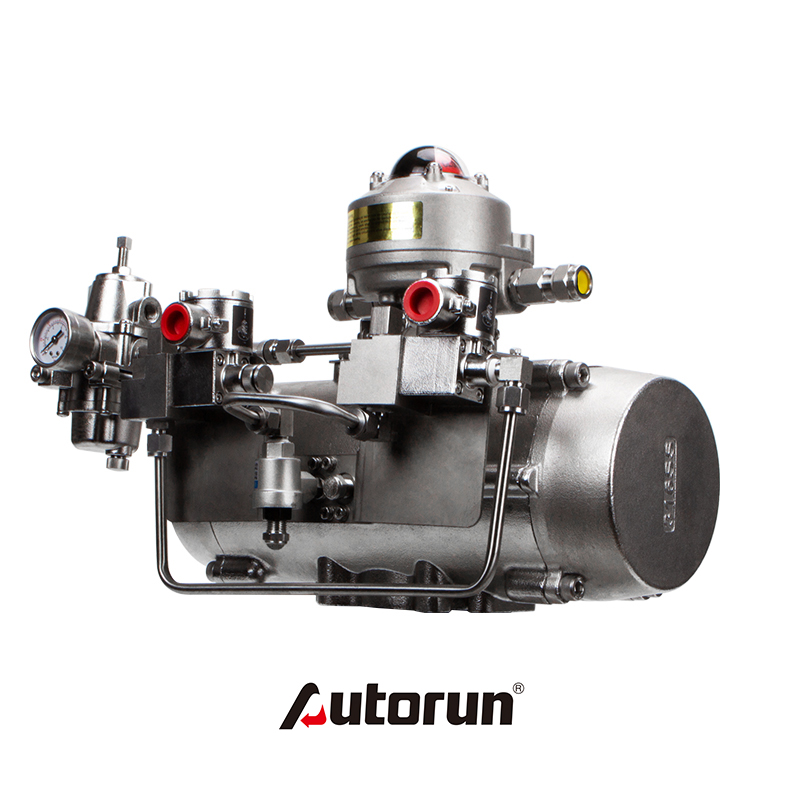
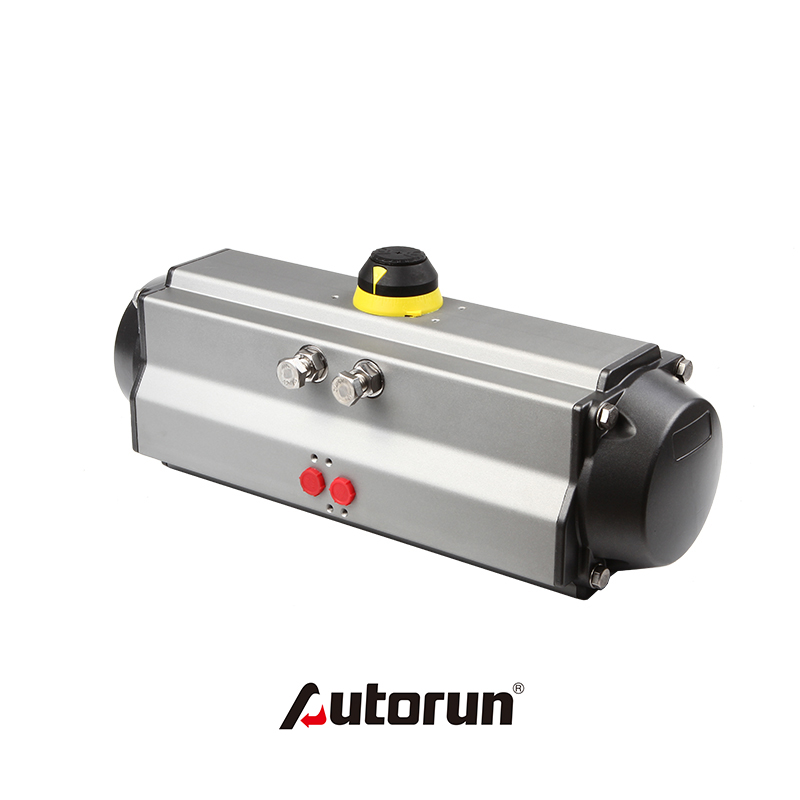
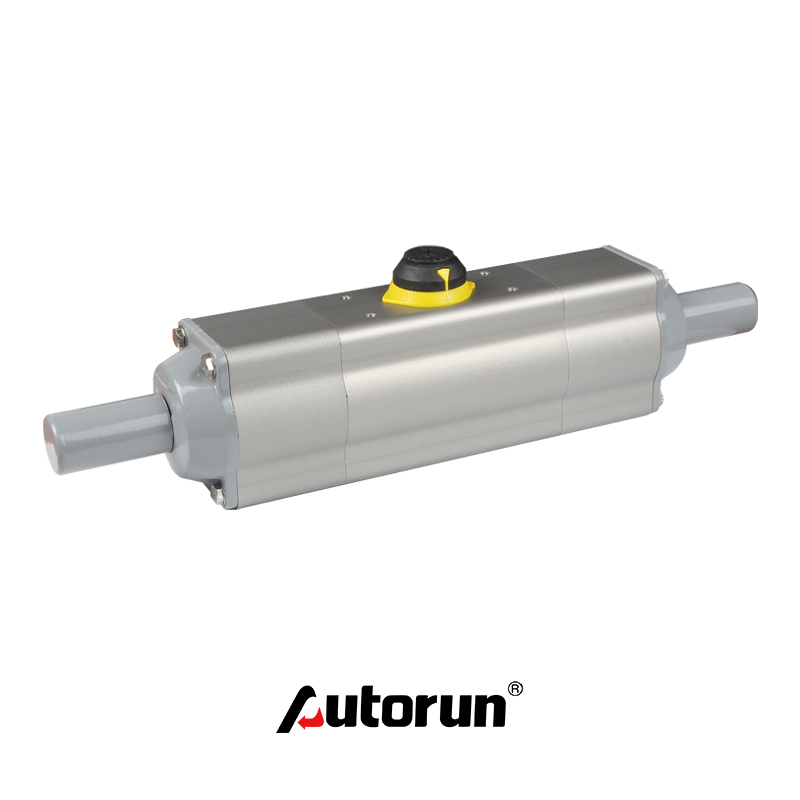
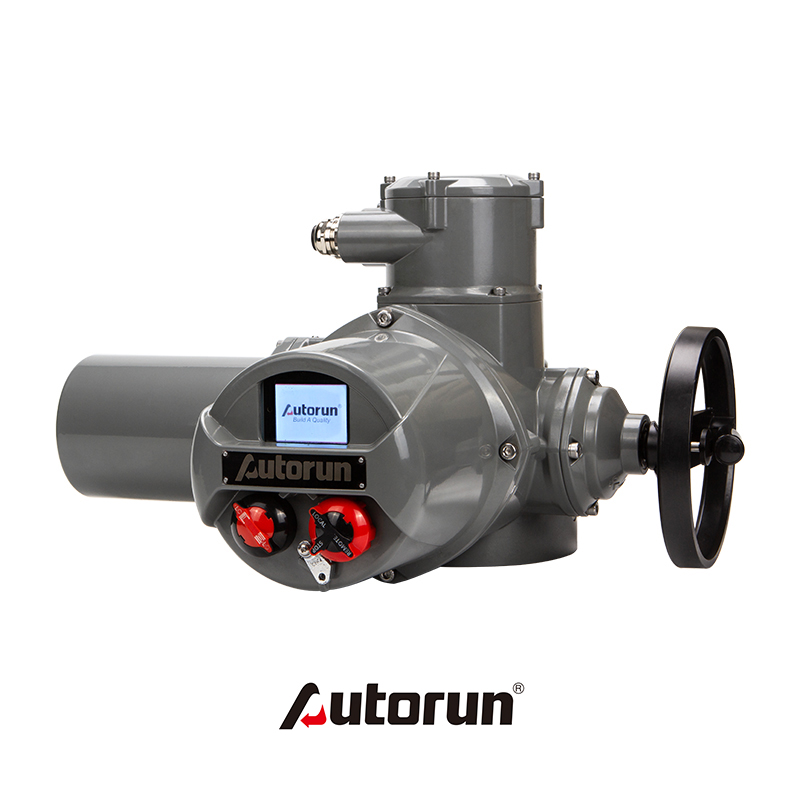
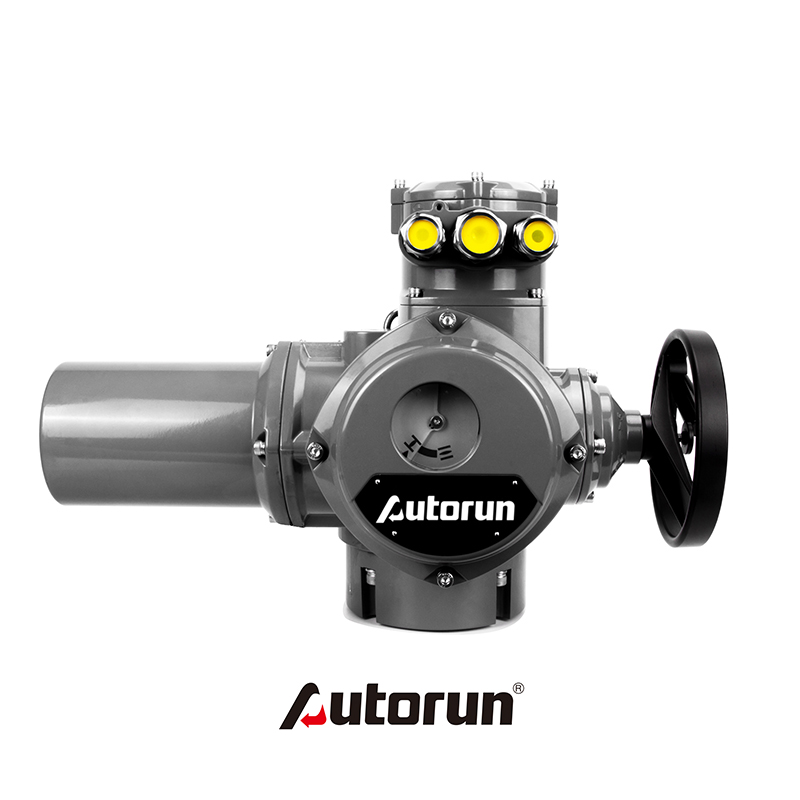
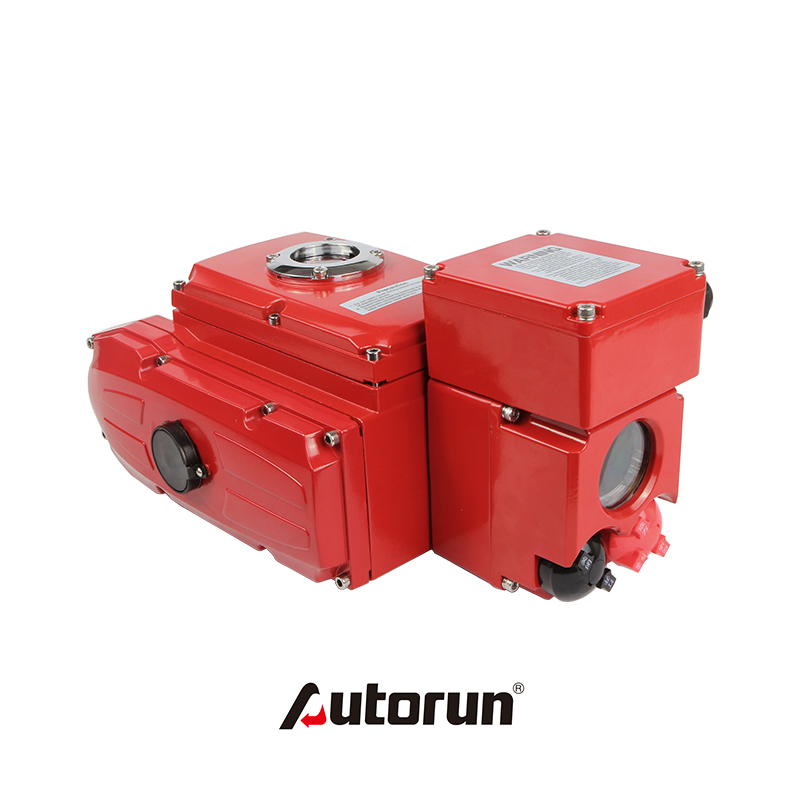
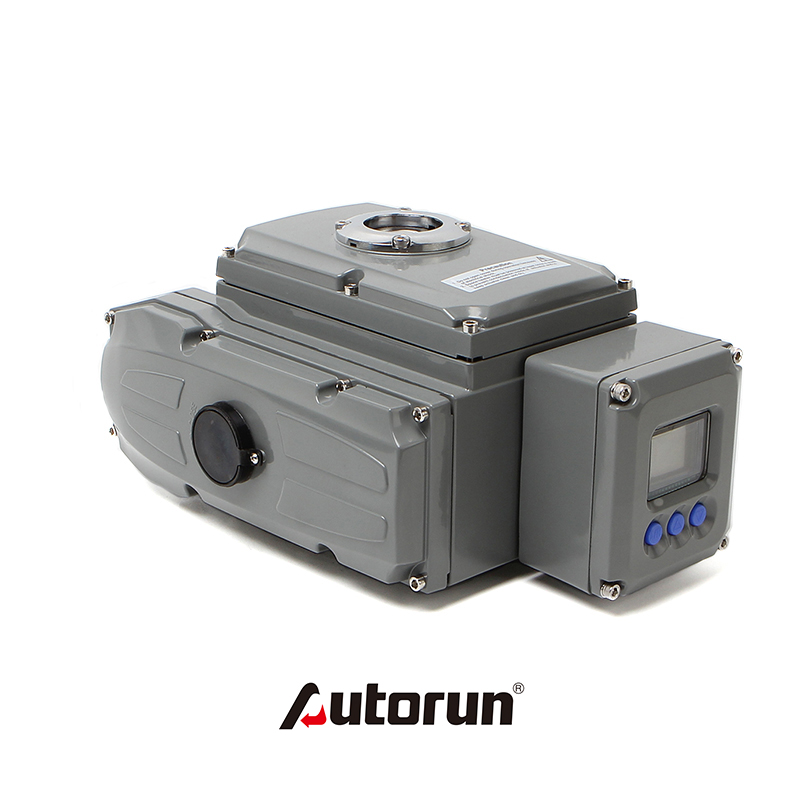
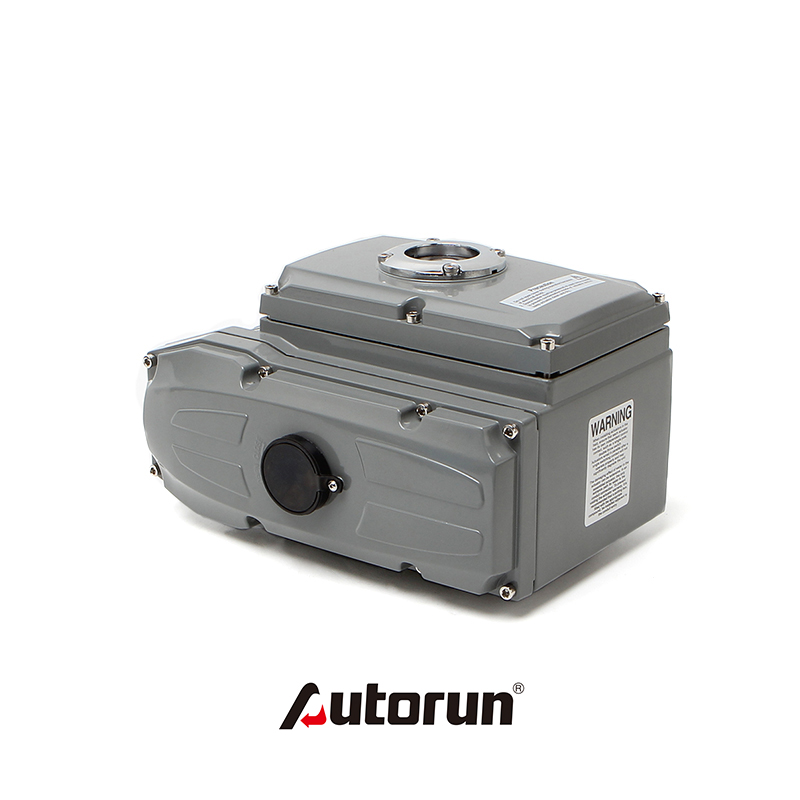
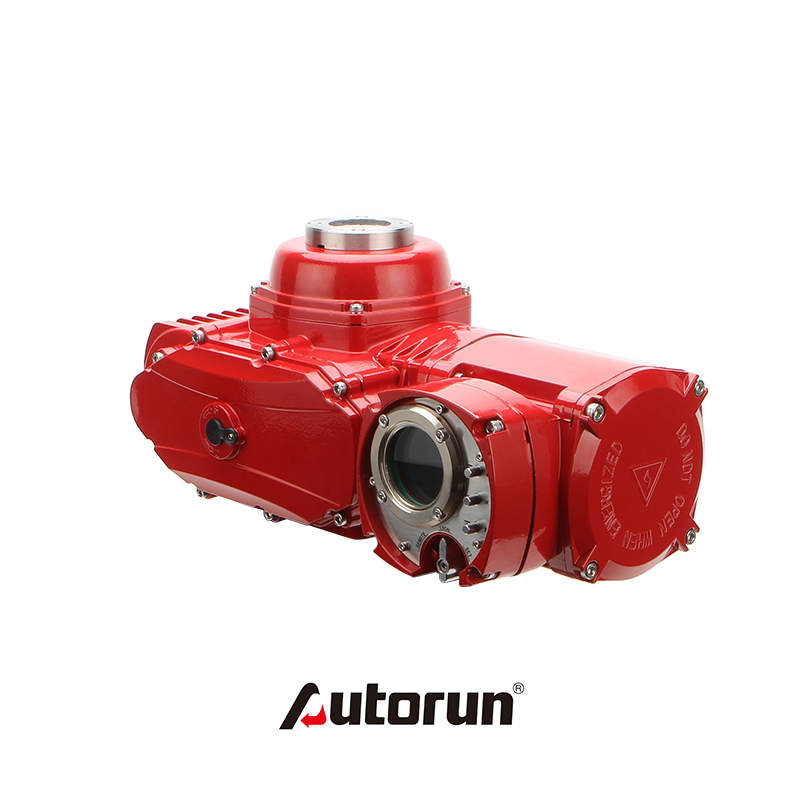
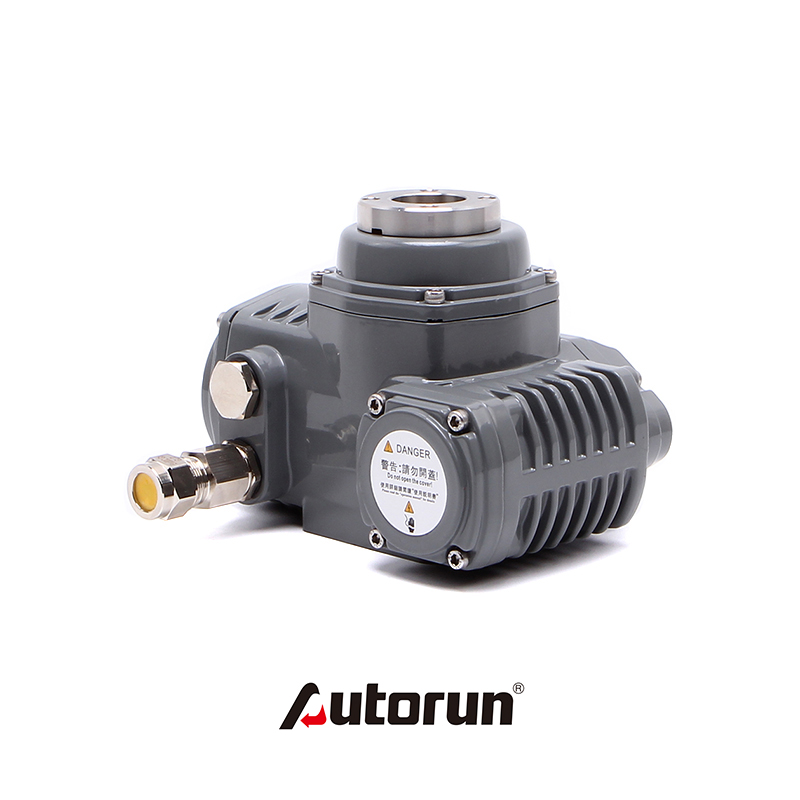
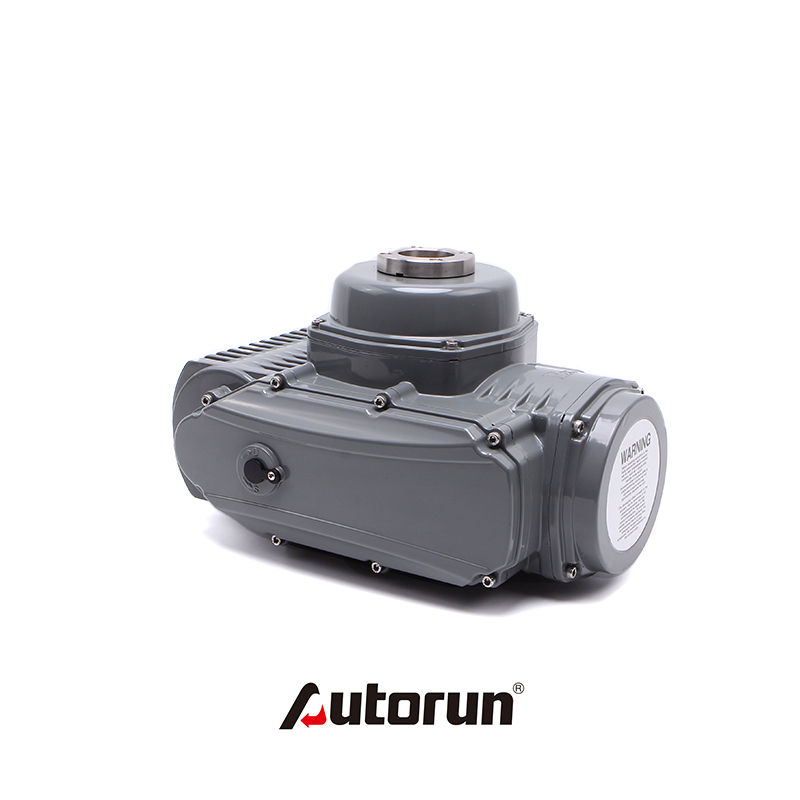
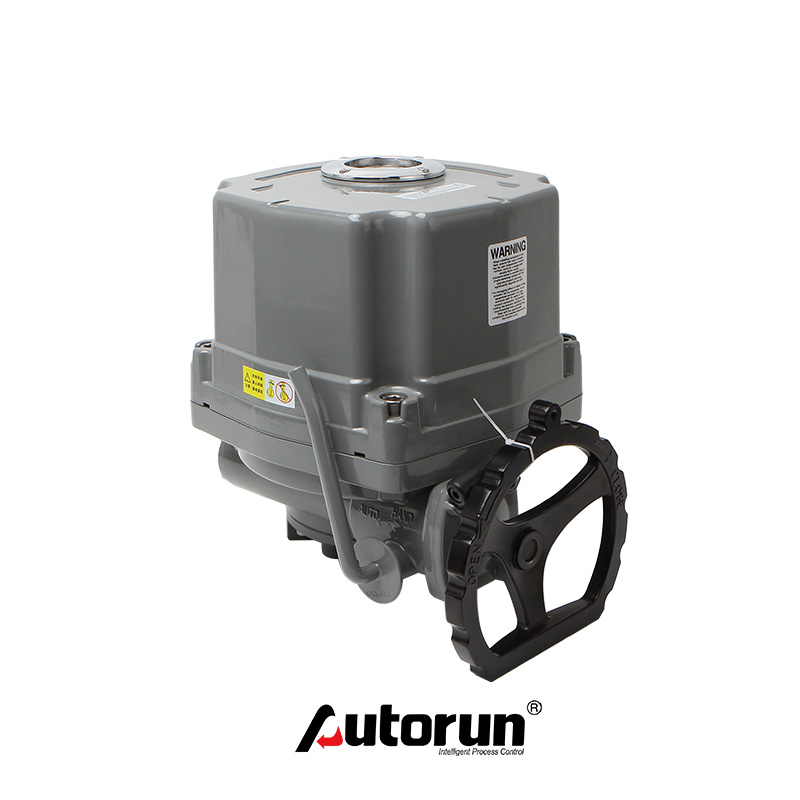
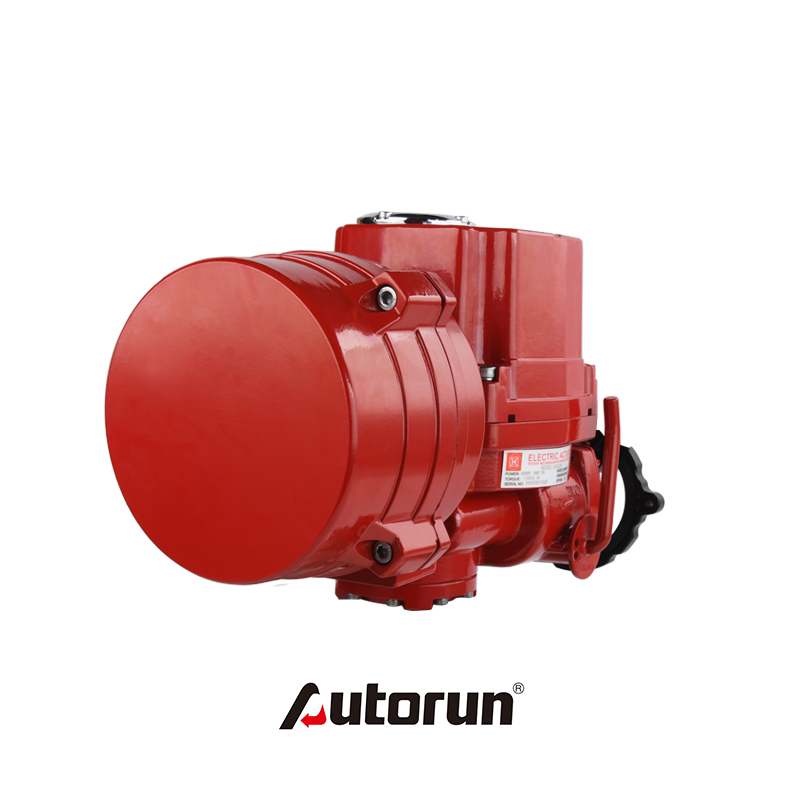
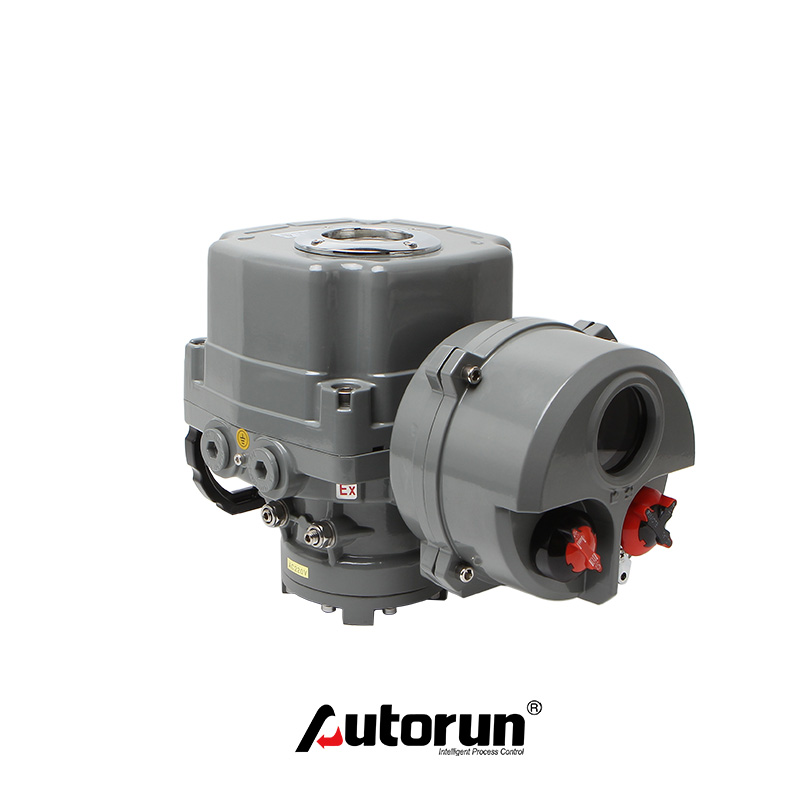
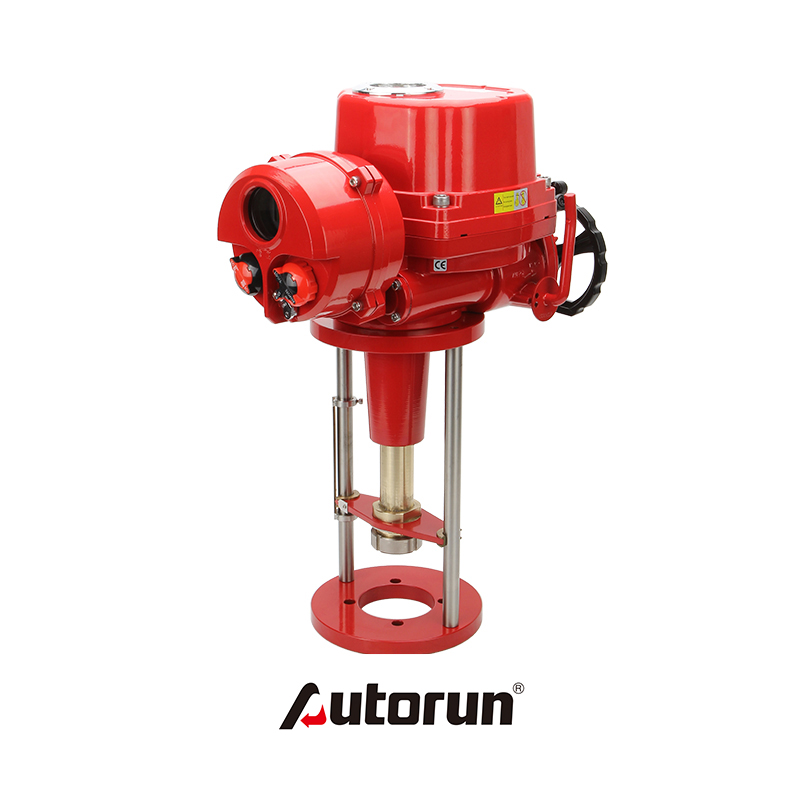
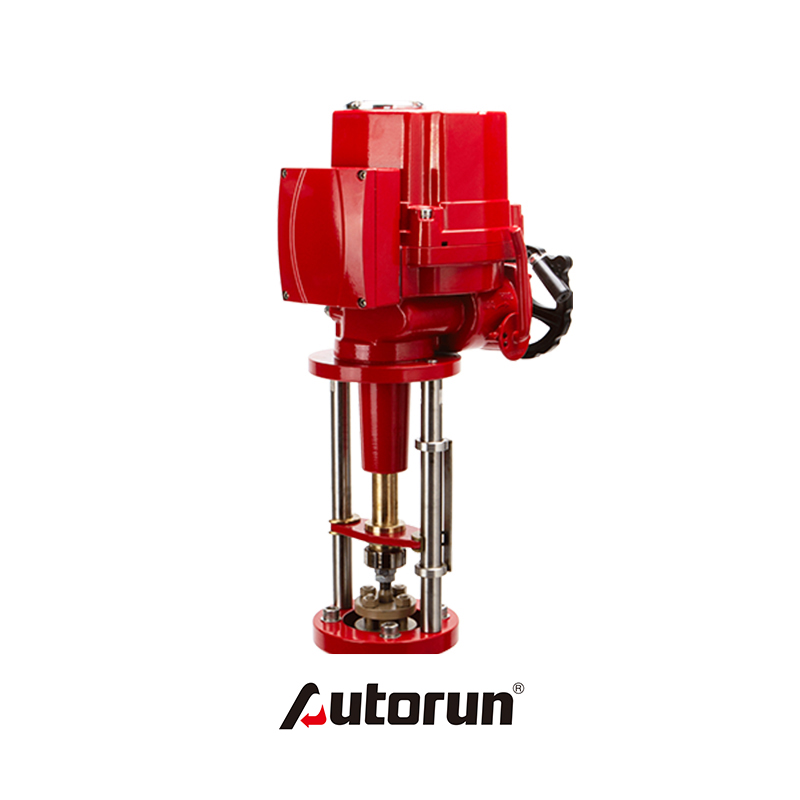
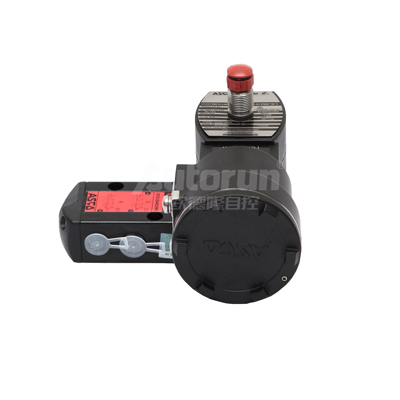
Pneumatic control valves are usually composed of pneumatic actuators and control valves connected after installation and commissioning. The installation and debugging of pneumatic control valve is very important. This paper mainly introduces the installation details and skills of pneumatic control valve.
A. Installation instructions and precautions for pneumatic control valves should always be observed during installation.
B. The working environment temperature of the control valve should be less than 95% and 95% of the relative humidity (-30 ~+60).
C. The front and back position of the control valve should be straight pipe section, the length of which is not less than 10 times the diameter of the pipe (10D), in order to avoid the influence of too short straight pipe section of the valve on flow characteristics;
D. Between installing valves, read the instruction manual first. The instruction manual introduces the product, safety precautions and preventive measures that should be paid attention to before and during installation.
E. Confirmation of Pipeline Cleaning: Foreign bodies in the pipe may damage the sealing surface of the valve or even hinder the movement of the spool, ball or butterfly plate, resulting in incorrect closure of the valve. In order to reduce the possibility of dangerous situations, all pipes need to be cleaned before the valve is installed.
Confirm that pipe dirt, metal debris, welding slag and other foreign bodies have been removed. In addition, check the pipe flange to ensure a smooth gasket surface. If the valve has a threaded connection end, high-grade pipeline sealant should be coated on the positive threads of the pipeline. Do not apply sealant on the screw, because the excess sealant on the screw will be squeezed into the valve body. Redundant sealant will cause the accumulation of plugs or dirt in the valve core, which will lead to the valve not closing properly.
F. We carefully check the regulator: before installation, check and remove all transport blocks, protective plugs or gasket surface caps, and check the inside of the valve body to ensure that there is no foreign body;
H. Regulating valves should be installed in horizontal pipelines, and vertical with the pipeline up and down, generally to be supported under the valve to ensure stability and reliability. For special occasions, when the regulating valve is installed horizontally in the vertical pipeline, the regulating valve should also be supported (except for small caliber regulating valve). During installation, additional stress should be avoided to the control valve.
G. Make sure there is enough space above and below the valve for easy removal of actuator or spool during inspection and maintenance. For flanged body, ensure flange surface is aligned accurately so that gasket surface contacts evenly. After the flange alignment, tighten the bolts gently, and finally tighten the bolts in a staggered form.
Notes for pneumatic control valves in storage, installation and use:
A. The valve should be stored in a dry room. The two ends of the passage must be blocked and not stacked.
B. Regulating valves stored for a long time should be inspected regularly to remove dirt, and anti-rust oil should be applied on the moving parts and processing surfaces to prevent rusting.
C. The valve shall be installed in horizontal pipeline, with the required vertical installation and the stem upward.