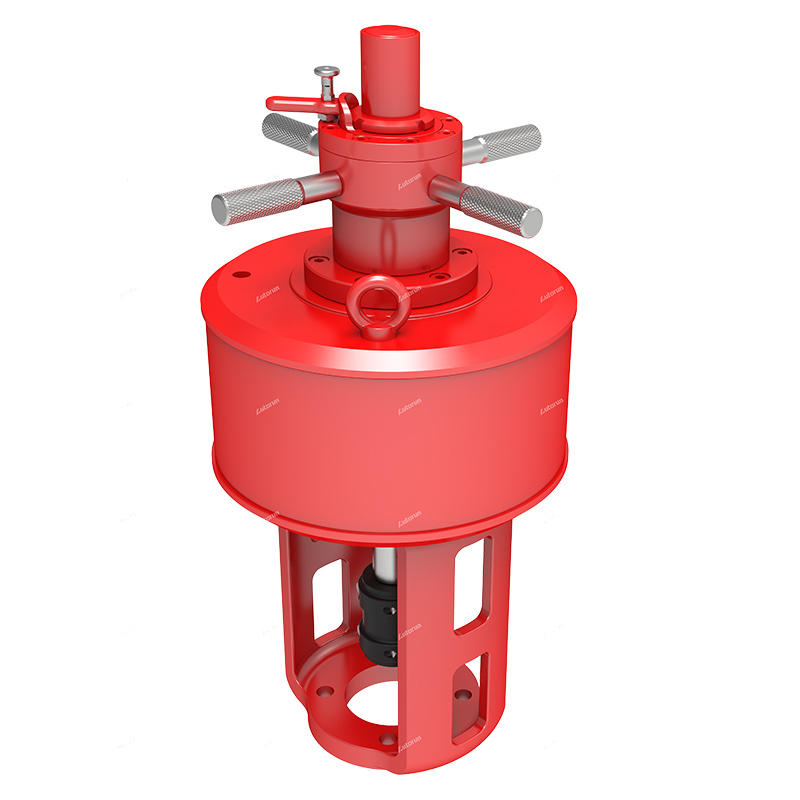
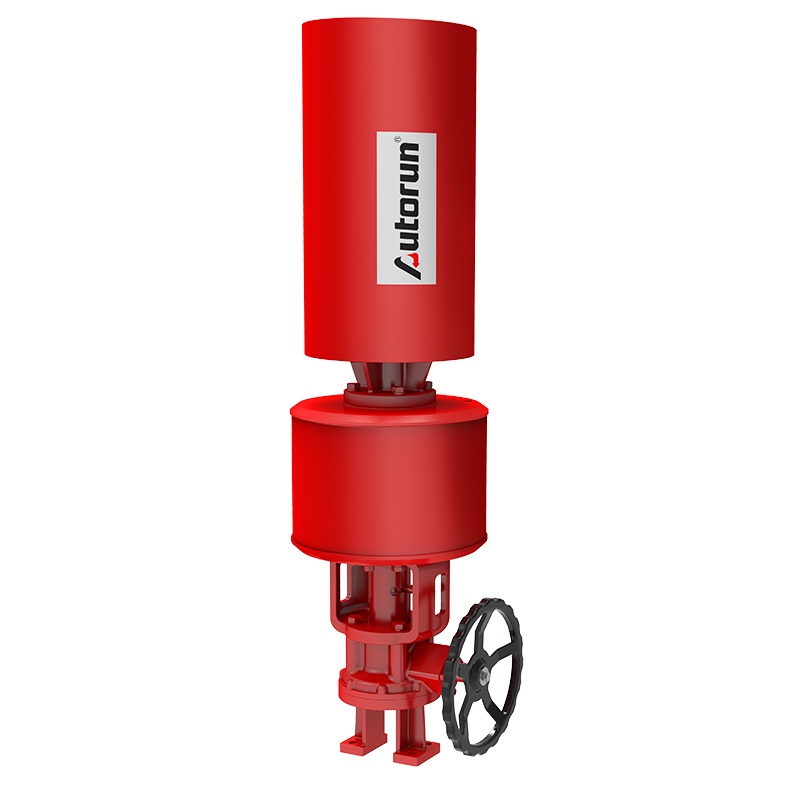
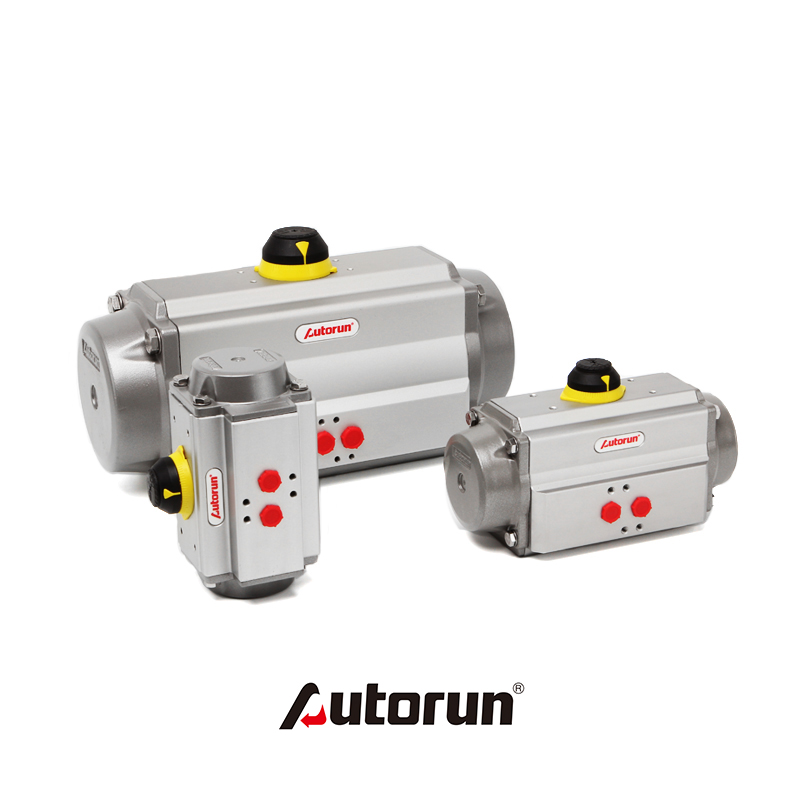
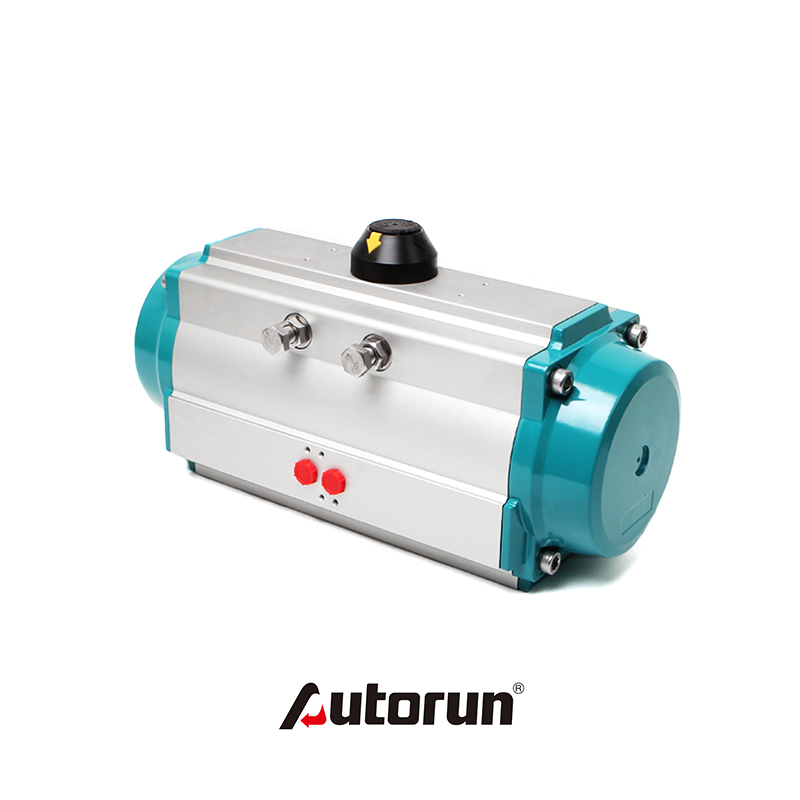
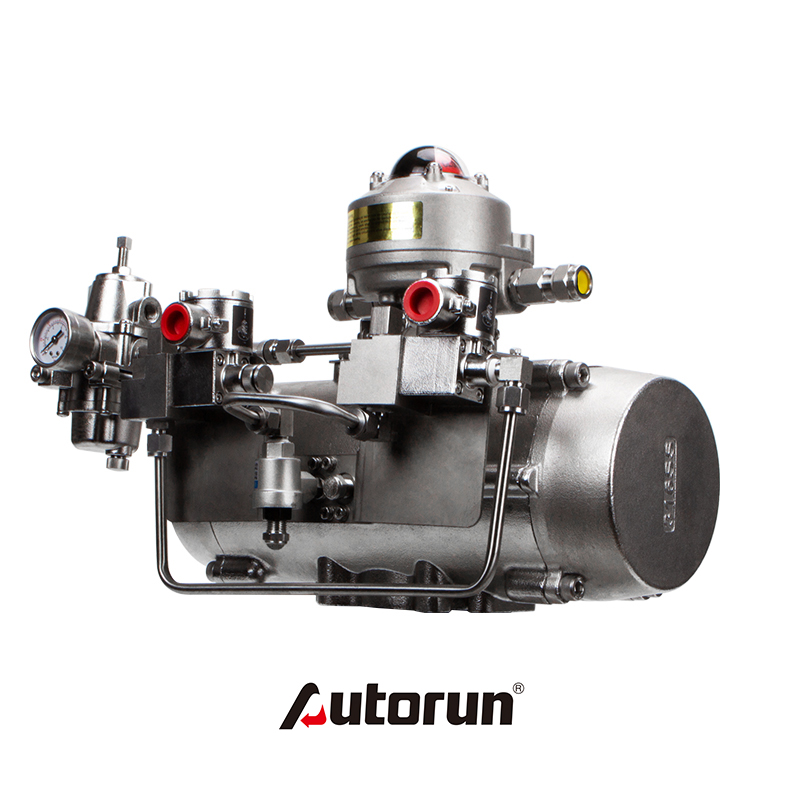
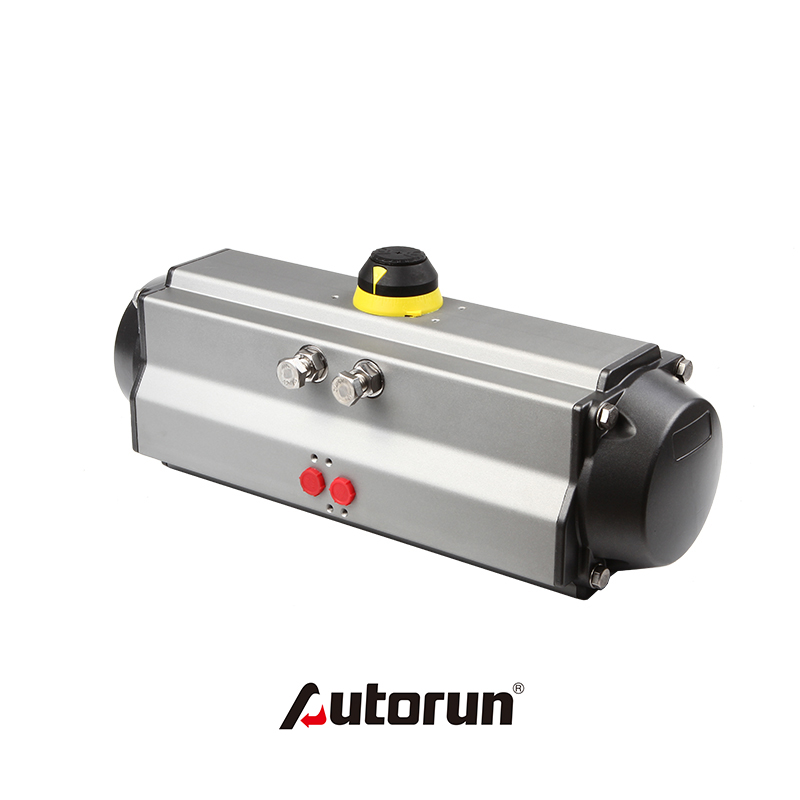
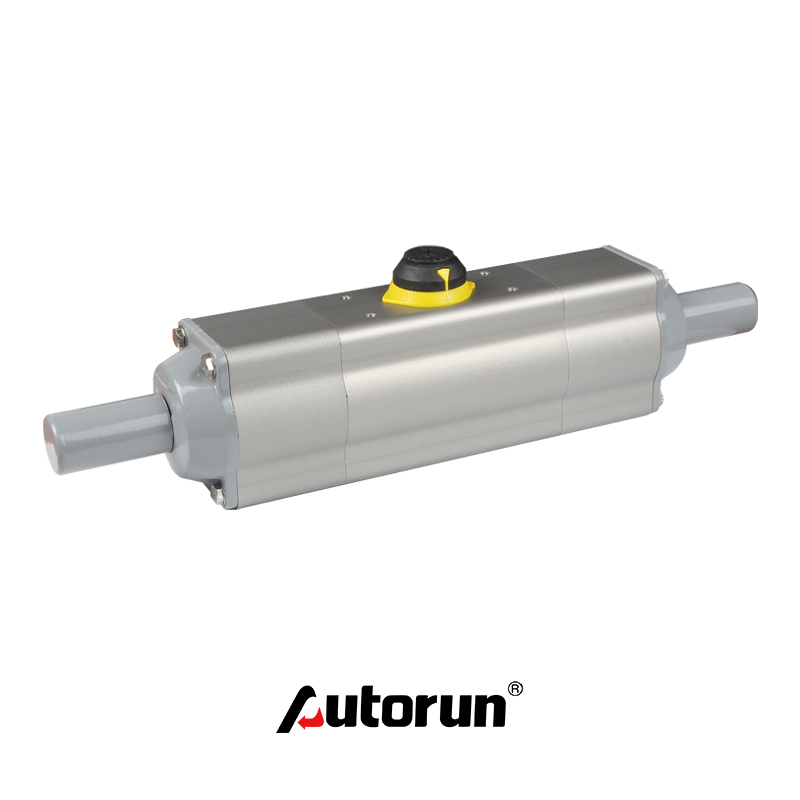
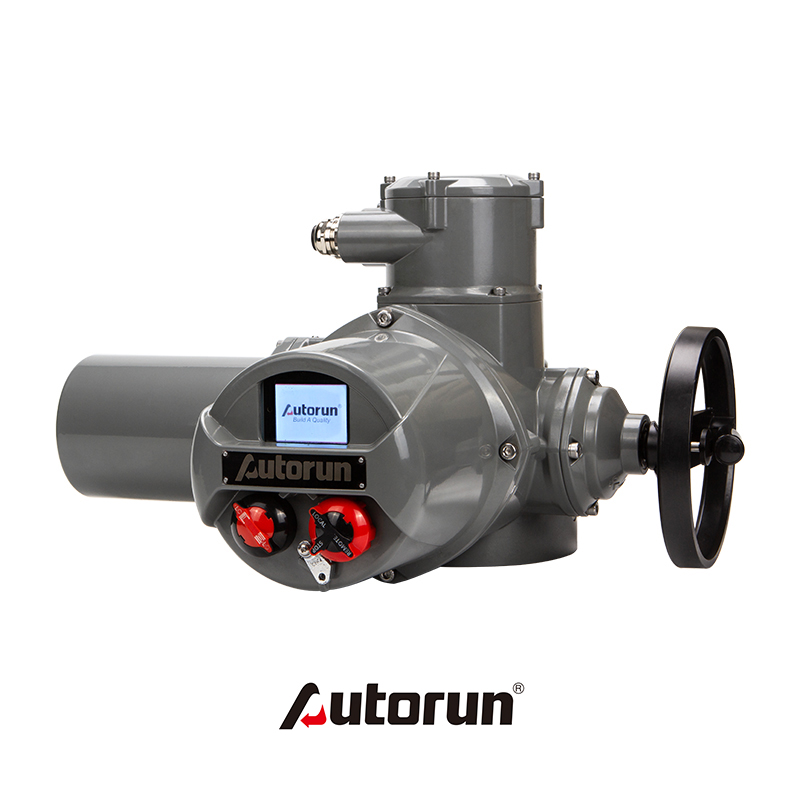
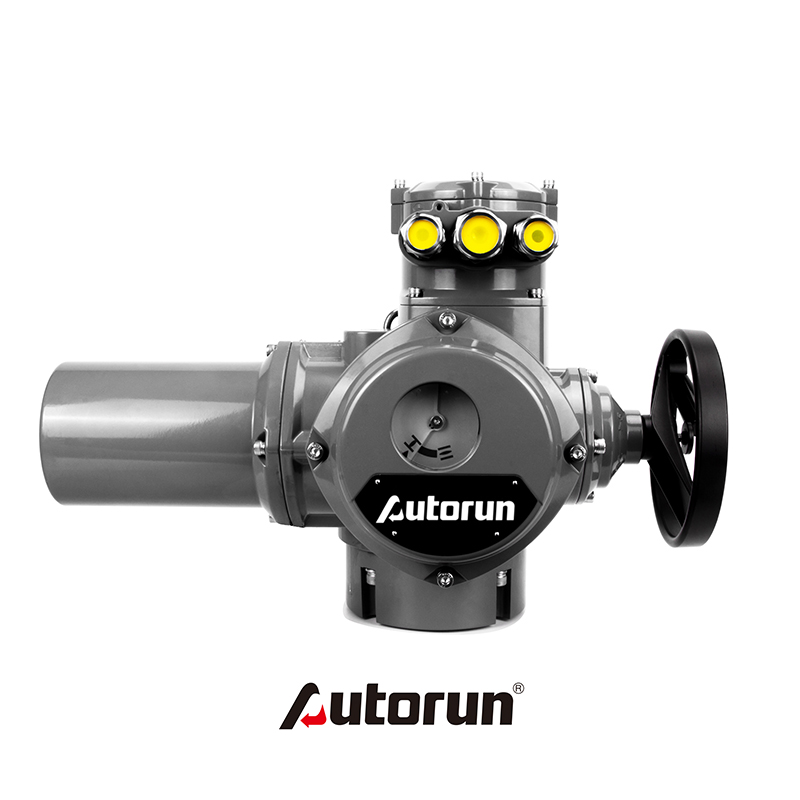
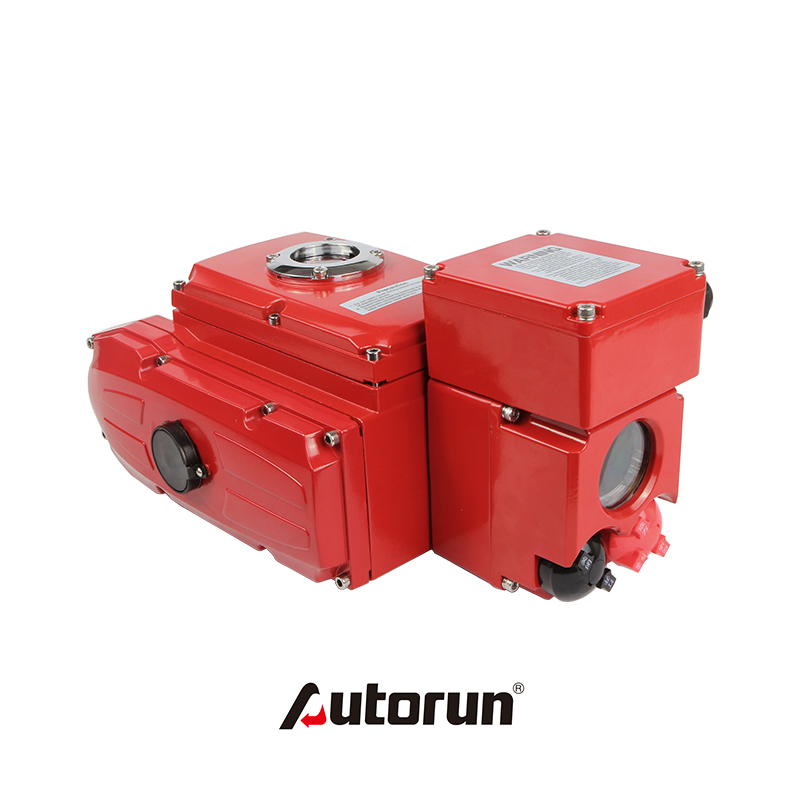
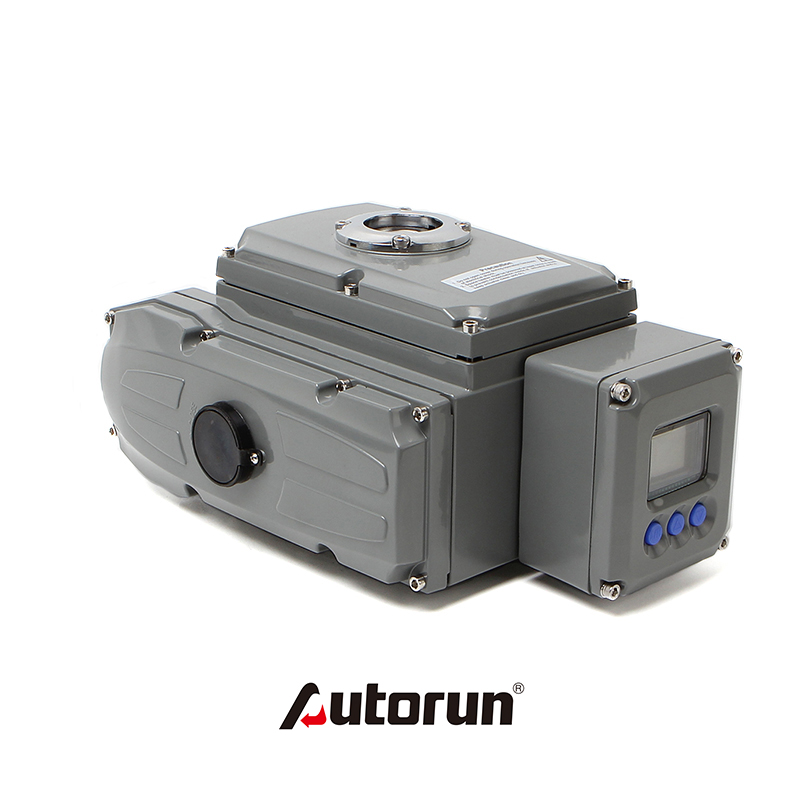
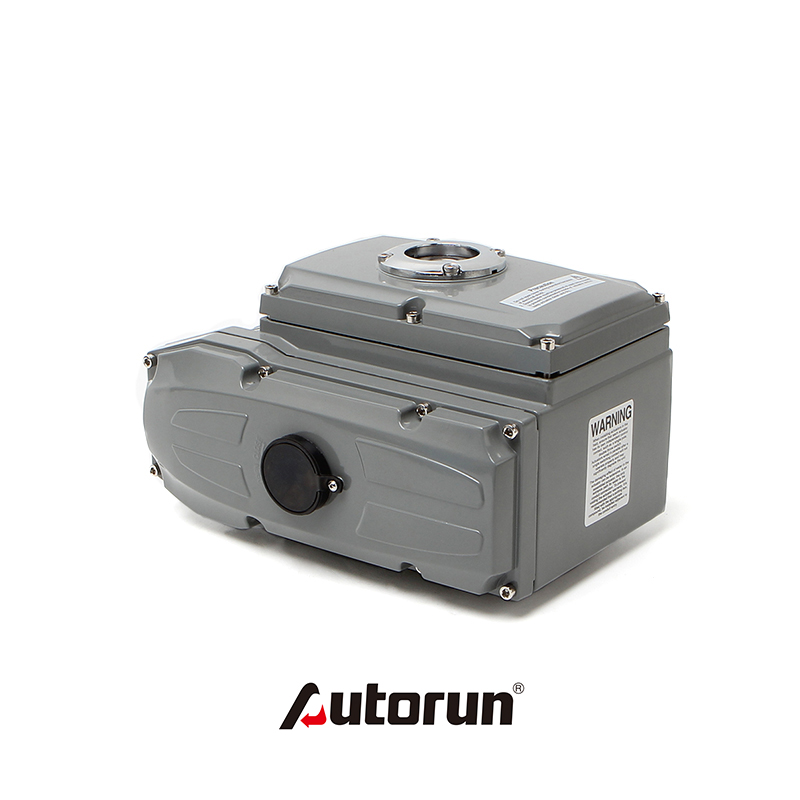
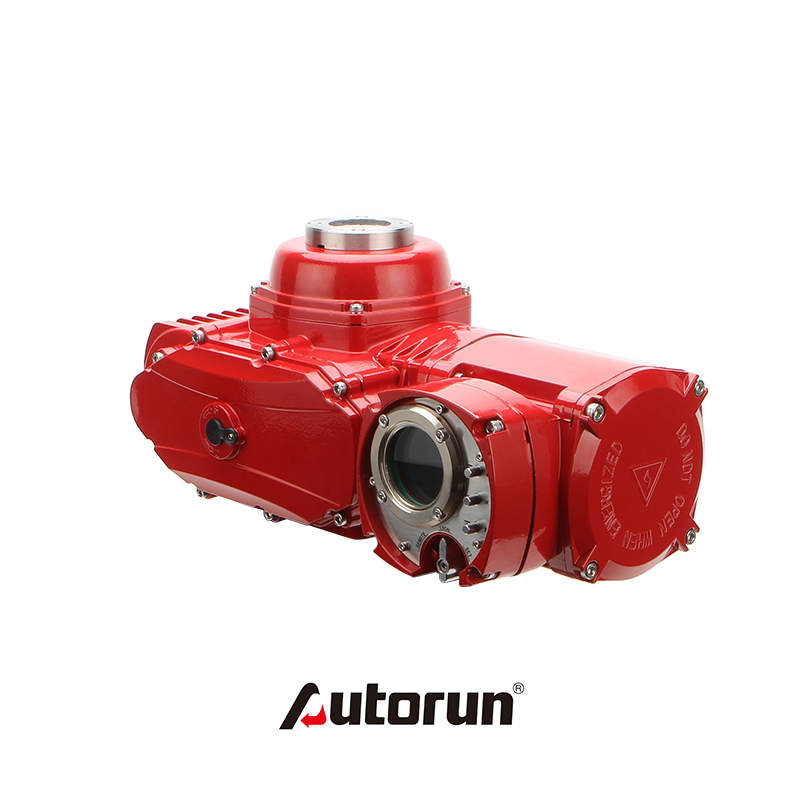
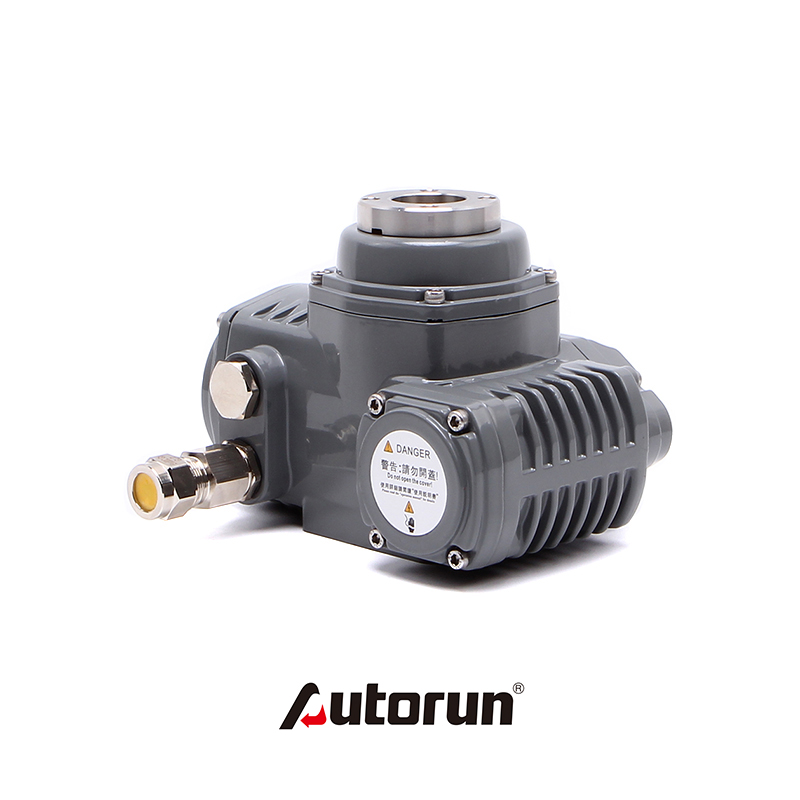
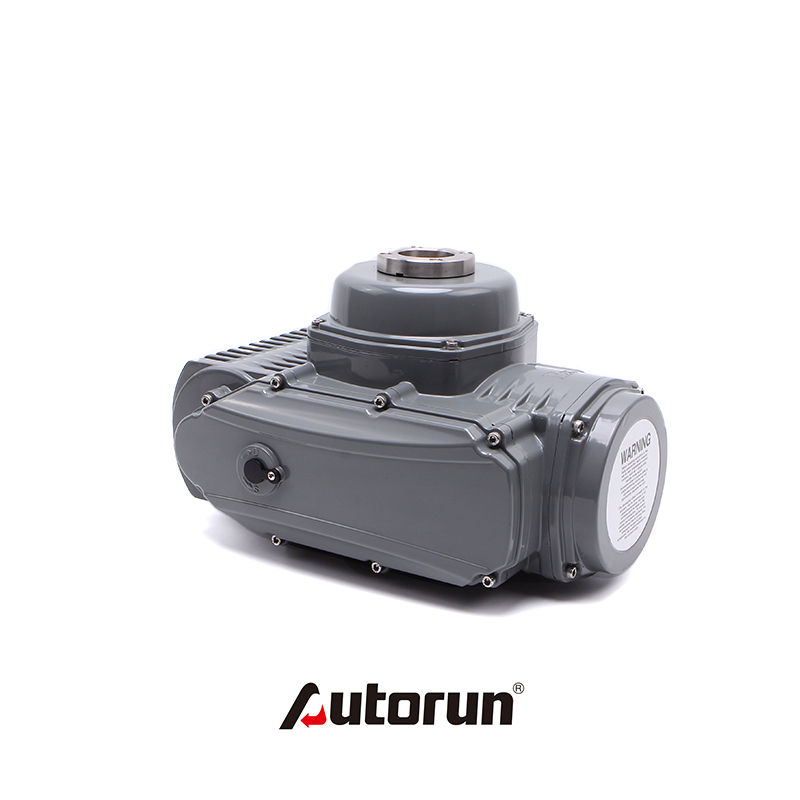
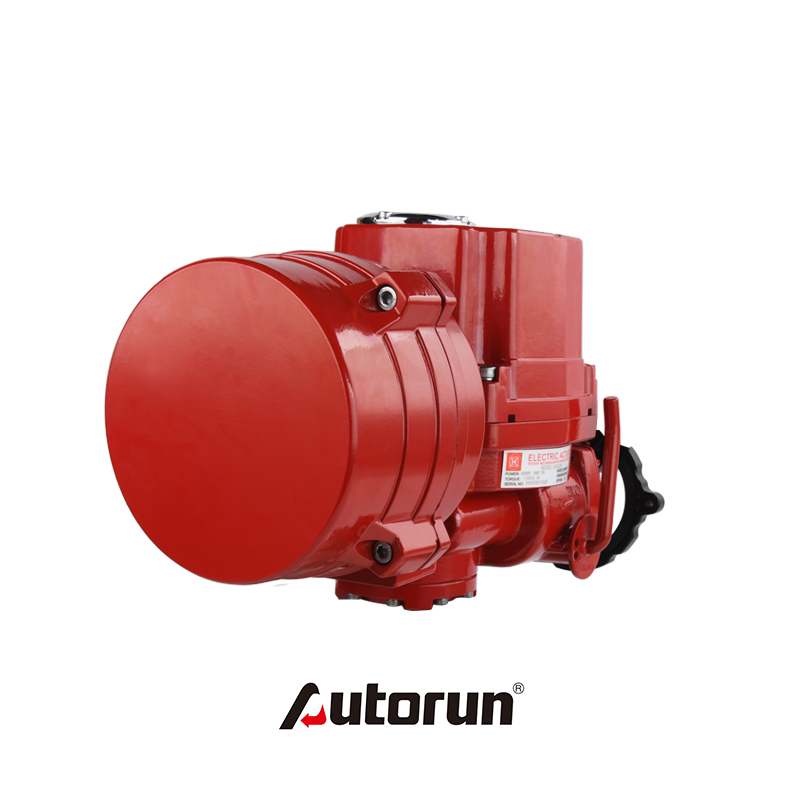
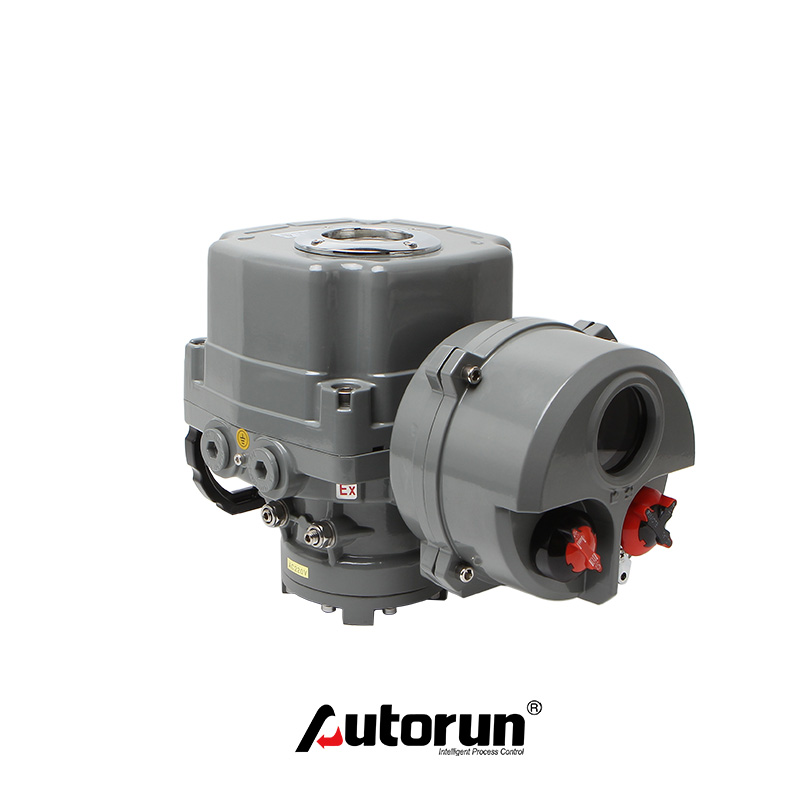
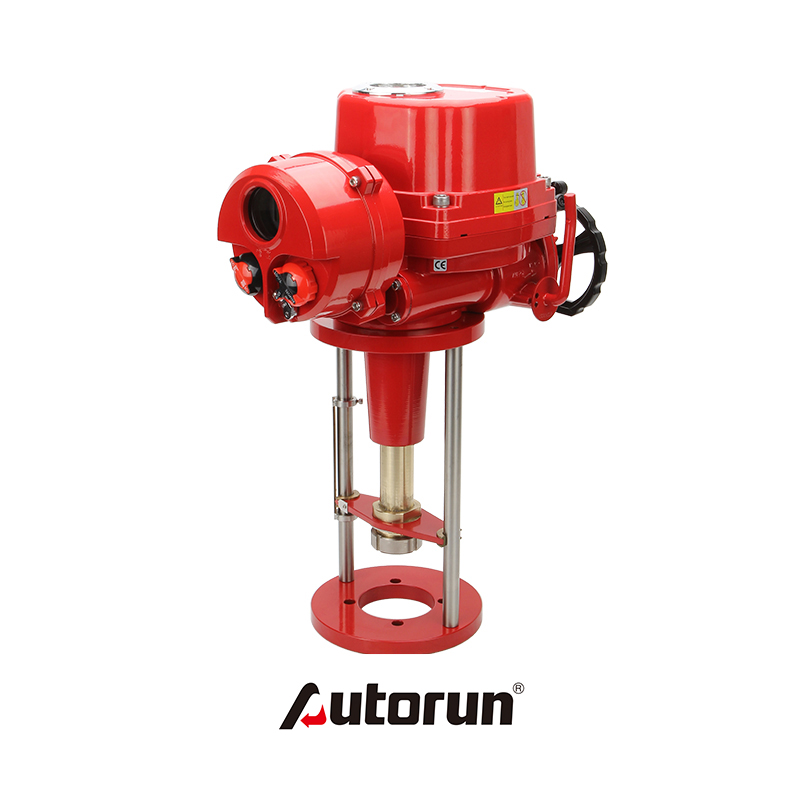
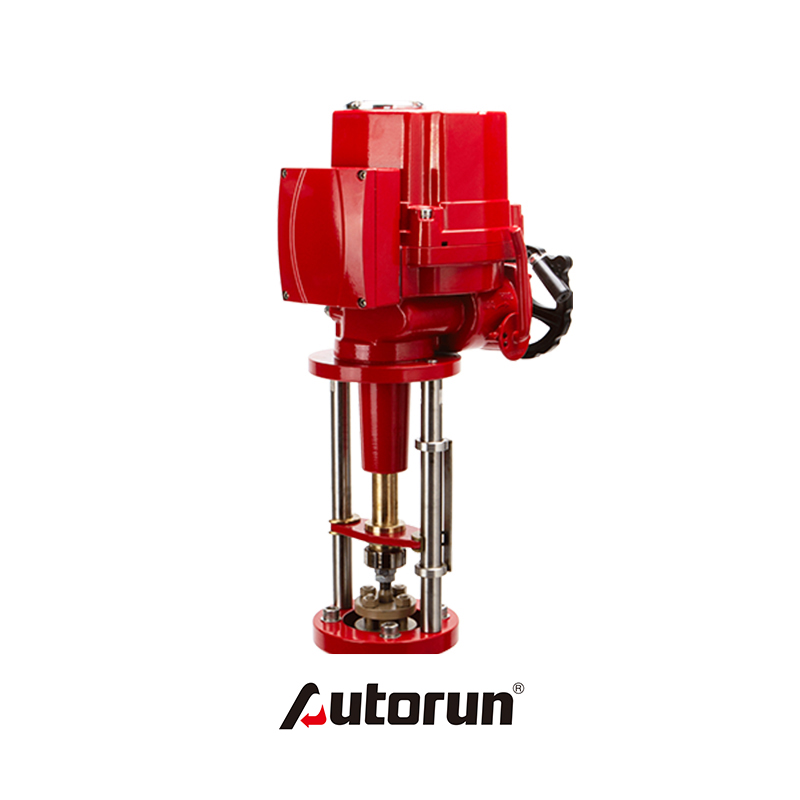
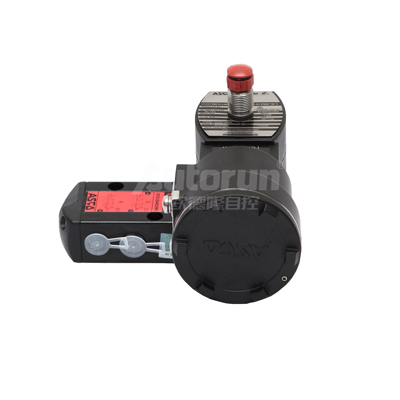
1. Linear pneumatic piston actuators are used to drive control valves for the most demanding applications in the power and oil and gas industries, such as turbine bypass valve stem control valves, reducers, valve compressors, and other valves.
2. The integrated installation plate does not require traditional installation brackets, thereby reducing the number of components that need to be installed.
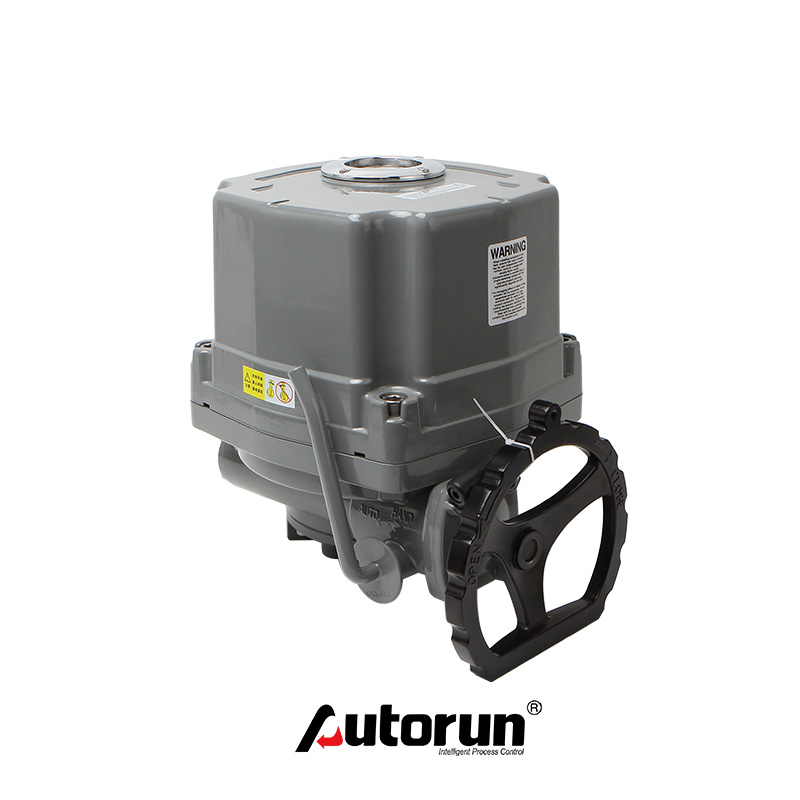
3. The manual mechanism adopts designs such as worm gear and screw transmission.
4. Pneumatic actuators have lubrication systems that can provide very smooth valve control.
5. The sealing ring and guide ring ensure that even if the cylinder piston rod is subjected to directional force, the metal surfaces of the piston and cylinder inner wall will not directly rub against each other.
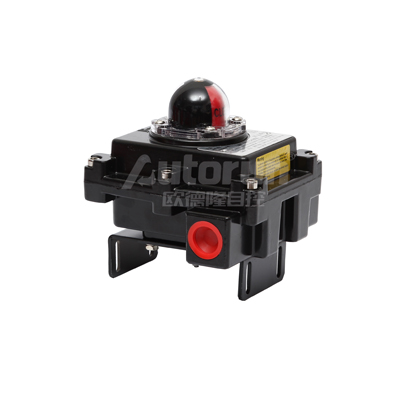
6. Travel limit and manual devices can be used for almost any control valve application.
7. Durable thick walled cast iron and cast steel structures provide better stability and corrosion resistance.
Cylinder
Spray PTFE on the inner surface of the cylinder or hydraulic cylinder to prevent resistance and provide lubrication.
Piston seal
The dual seal composed of O-ring and sliding guide prevents metal friction between the piston and cylinder.