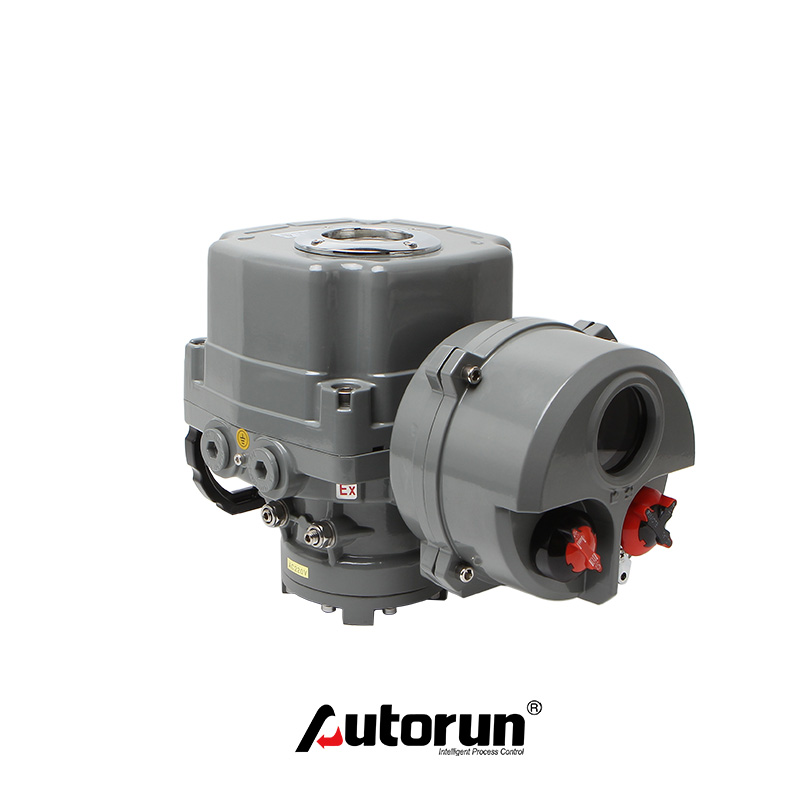
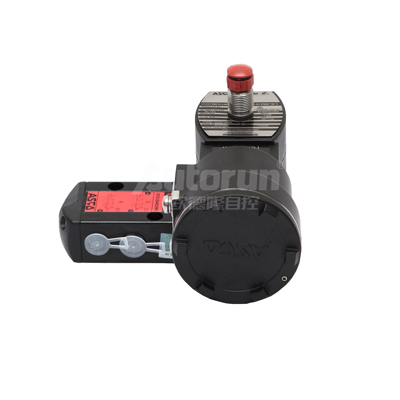
Selection according to valve typeElectric actuator
There are many kinds of valves and their working principles are different. Generally, the opening and closing control is realized by rotating the angle of the valve plate and lifting the valve plate. When matching with the electric actuator, the electric actuator should be selected according to the type of the valve.
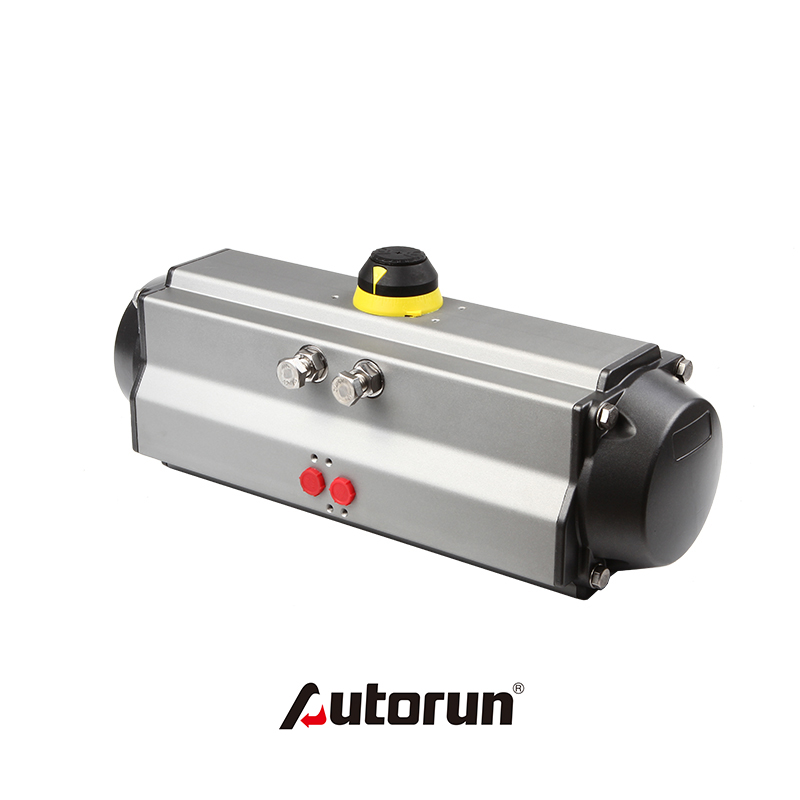
Angular stroke electric actuator(corner<360degree)>360degree)
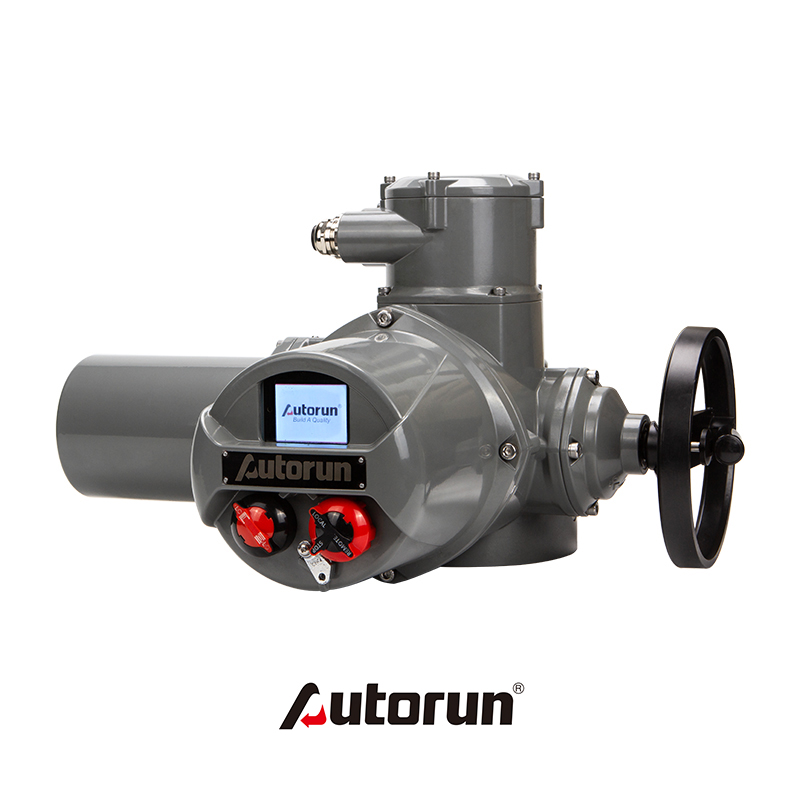
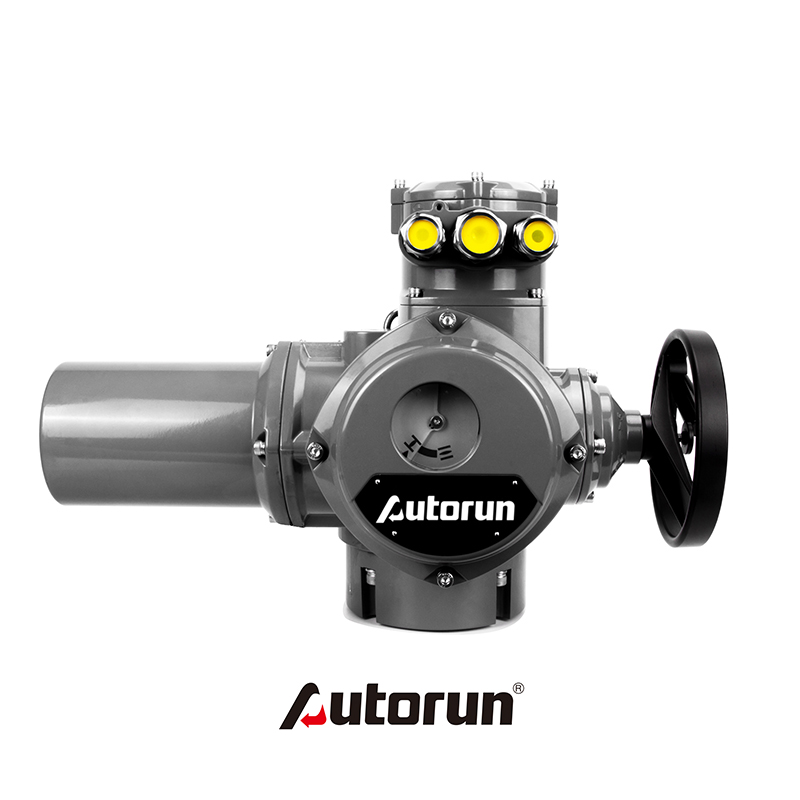
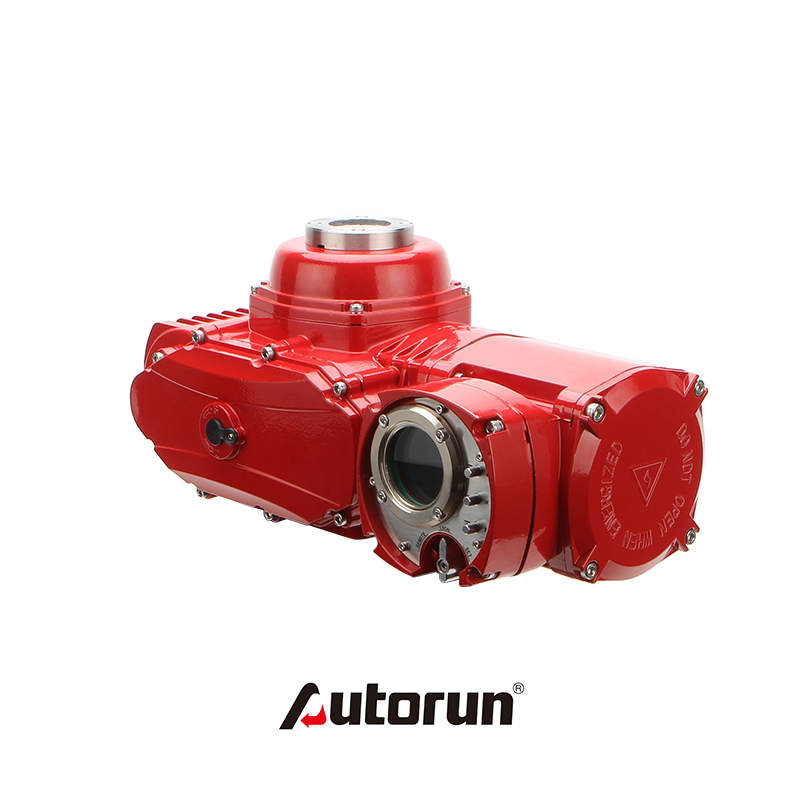
The rotation of the output shaft of the electric actuator is greater than one week, that is, more than 360 degrees. Generally, it needs more than one circle to realize the control of the valve opening and closing process.
This kind of electric actuator is suitable for gate valves, globe valves, etc.
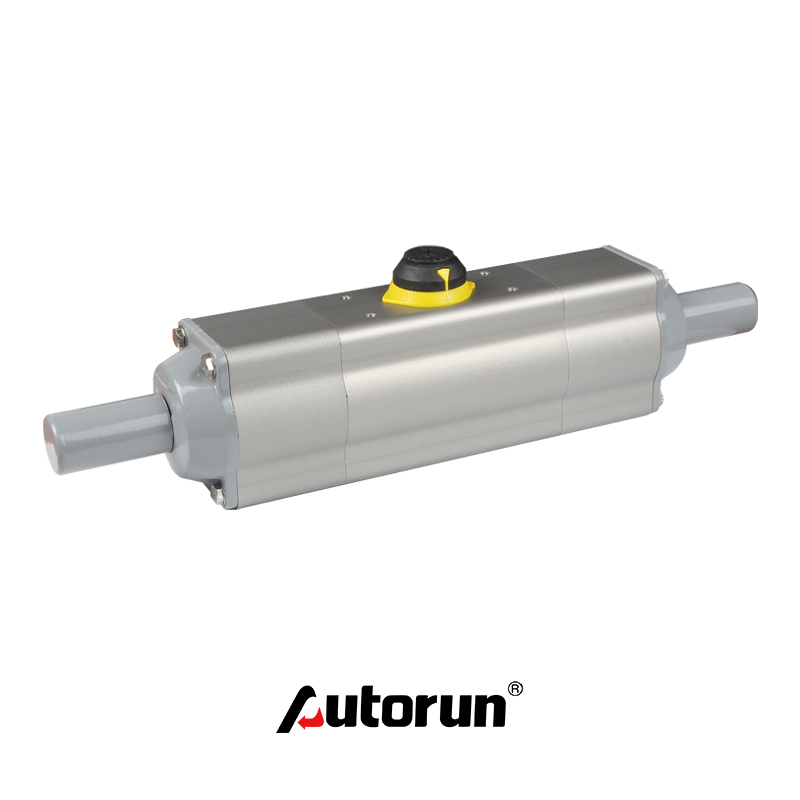
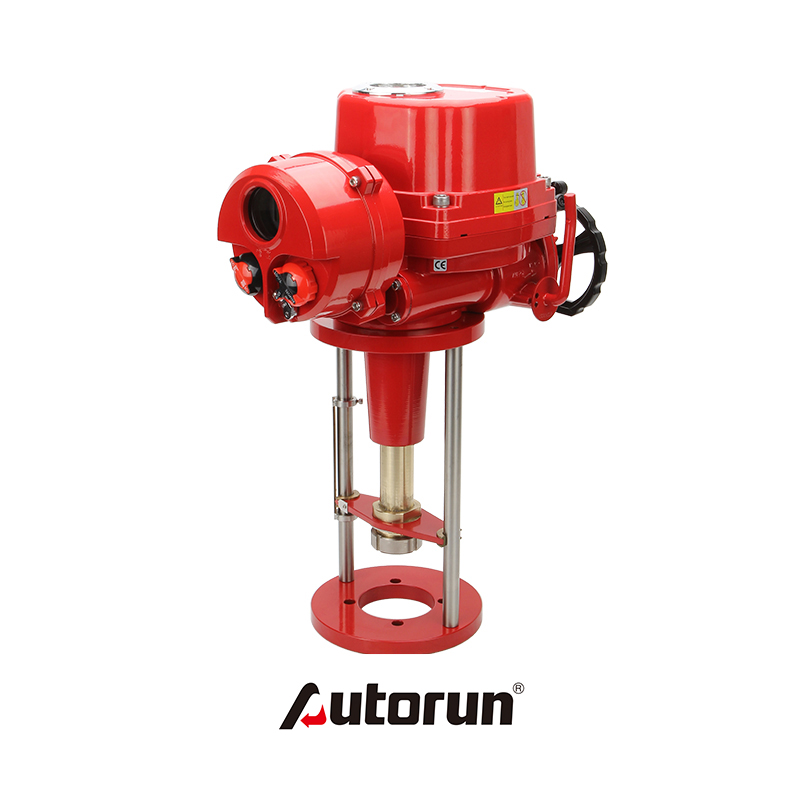
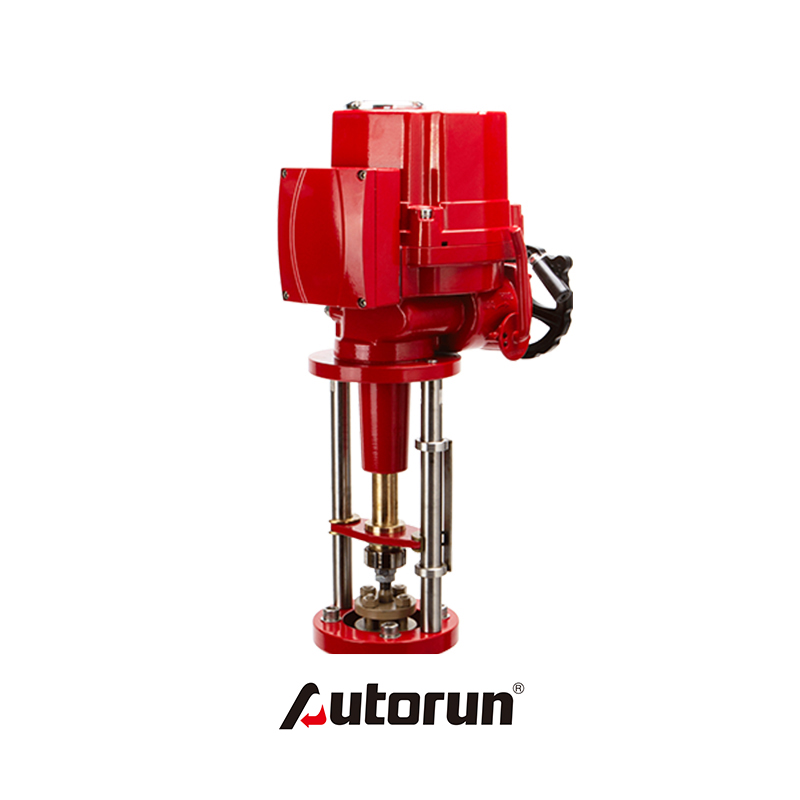
Straight stroke (straight line motion)
The motion of the output shaft of the electric actuator is linear, not rotational.
This kind of electric actuator is suitable for single-seat control valve, double-seat control valve, etc.
2. Determine the control mode of electric actuator according to the requirements of production process control
The control modes of electric actuators are generally divided into switching (open-loop control) and regulating (closed-loop control).

1.Switching type (open-loop control)
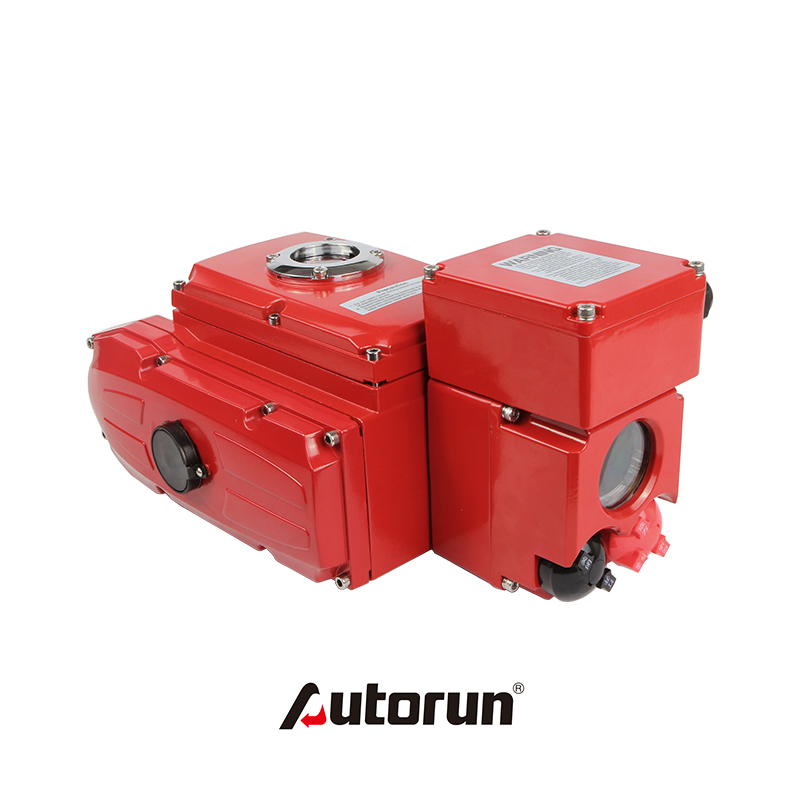
Switched electric actuators usually control the valve on or off. The valve is either in full open position or in full closed position. This kind of valve does not need accurate control of medium flow. Especially it is worth mentioning that switching electric actuator can be divided into separate structure and integrated structure because of its different structure. It is necessary to explain this when selecting the type, otherwise mismatching phenomena such as conflict between field installation and control system will often occur.
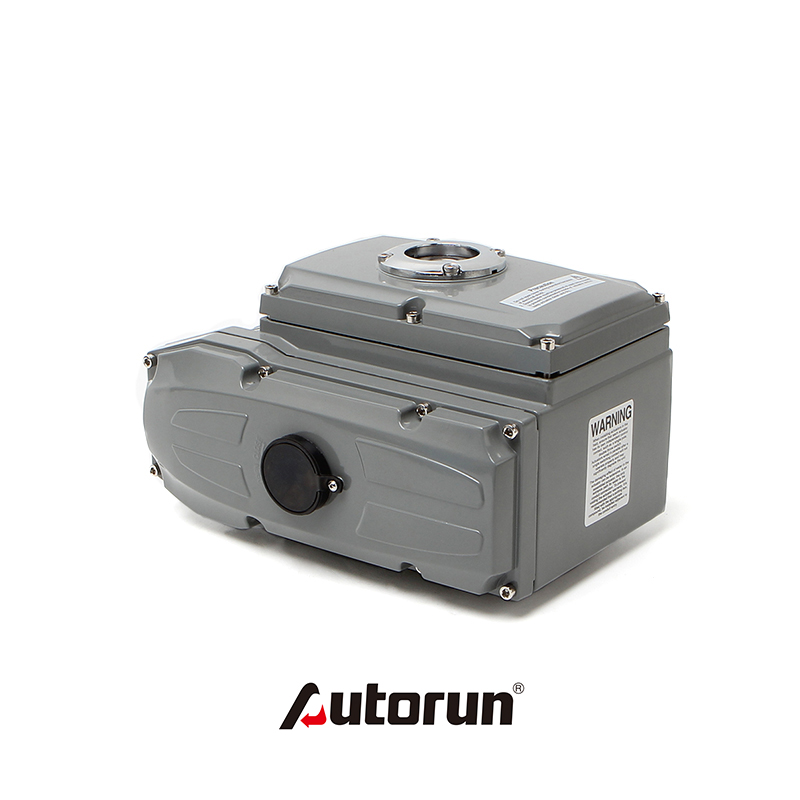
a)Separate structure (usually called ordinary type): the control unit is separated from the electric actuator. The electric actuator can not control the valve separately. The control unit must be added to realize the control. Generally, the external control unit or control cabinet form a complete set.
此結構的缺點是不便于系統(tǒng)整體安裝,增加接線及安裝費用�,且容易出現(xiàn)故障,當故障發(fā)生時不便于診斷和維修�,性價比不理想�����。
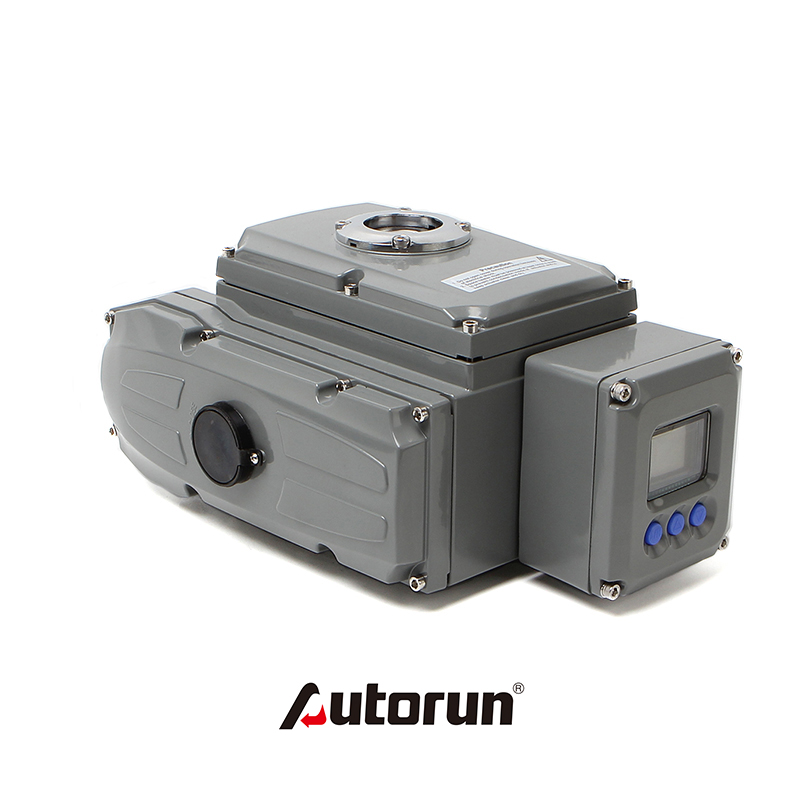
b)Integration structure (usually called integral type): The control unit and the electric actuator are packaged into one unit, which can be operated in situ without external control unit, and can be operated remotely only by outputting relevant control information.
The advantage of this structure is to facilitate the overall installation of the system, reduce wiring and installation costs, and easy to diagnose and troubleshoot. But the traditional integrated structure products also have many imperfections, so there are intelligent electric actuators, which will be explained later.
2.Regulating type (closed loop control)
The regulated electric actuator not only has the function of switching integrated structure, but also can accurately control the valve, so as to accurately regulate the medium flow. Because of the limited space, its working principle is not explained in detail here. The following is a brief description of the parameters to be noted in the selection of regulated electric actuators.
a)Control signal type (current, voltage)
The control signal of regulated electric actuator usually has current signal(4~20ma、0~10ma)Or voltage signal(0~5v�、1~5v),The control signal type and parameters should be defined when selecting the type.
b)Working Form (Electric Open Type, Switch Type)
Regulating electric actuator usually operates in an open mode (taking 4-20mA control as an example, the open mode means that the 4mA signal corresponds to the valve closure and the 20mA signal corresponds to the valve opening), and the other is a switch mode (taking 4-20mA control as an example, the open mode means that the 4mA signal corresponds to the valve opening and the 20mA corresponds to the valve closing). Generally, the selection of the type needs to be clear about the working form. Many products can not be modified after they leave the factory. The intelligent electric actuator produced by Omei valve control can be modified at any time through on-site setting.

c)Loss signal protection
Loss of signal protection means that when the control signal is lost due to line faults, the electric actuator will open and close the control valve to the set protection value. The common protection value is full-open, full-close and in-situ, and it is not easy to modify after leaving the factory. The intelligent electric actuator manufactured by Ogilvy Valve Control can be flexibly modified through field setting, and can set any position (0-100%) as the protection value.
Determine the output torque of the electric actuator according to the required torque of the valve
The torque required for valve opening and closing determines how much output torque the electric actuator chooses. Generally, it is proposed by the user or selected by the valve manufacturer. As the actuator manufacturer, it is only responsible for the output torque of the actuator. The torque required for valve opening and closing normally is determined by the size of the valve caliber, working pressure and other factors, but because of the valve manufacturer. Home processing accuracy, assembly process are different, so the same specifications of the valve produced by different manufacturers need different torsion, even the same specifications of the valve manufactured by the same valve manufacturer also have different torsion, when the selection of actuator torsion is too small, it will cause the normal opening and closing of the valve, so the electric actuator must be. A reasonable range of torsion should be chosen.
Determining Electrical Parameters Based on the Selected Electric Actuator
Because the electrical parameters of different actuator manufacturers are different, it is generally necessary to determine their electrical parameters in design and selection, mainly motor power, rated current, secondary control circuit voltage, etc. Often negligent in this respect, the result is that the parameters of the control system and the electric actuator do not match, resulting in idle tripping and insurance at work. Faults such as wire fusing, thermal overload relay protection take-off and so on.