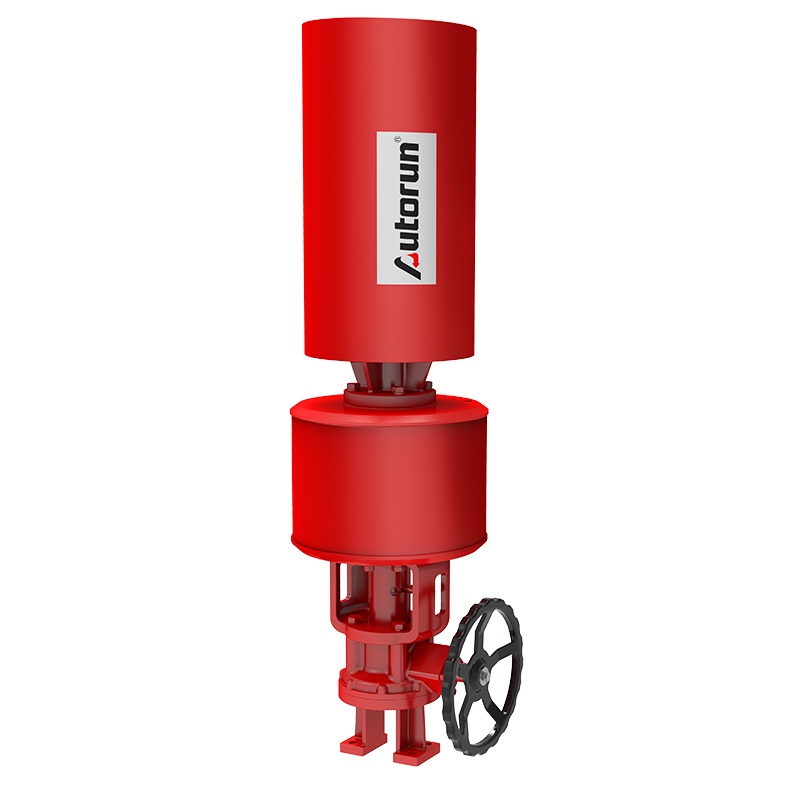
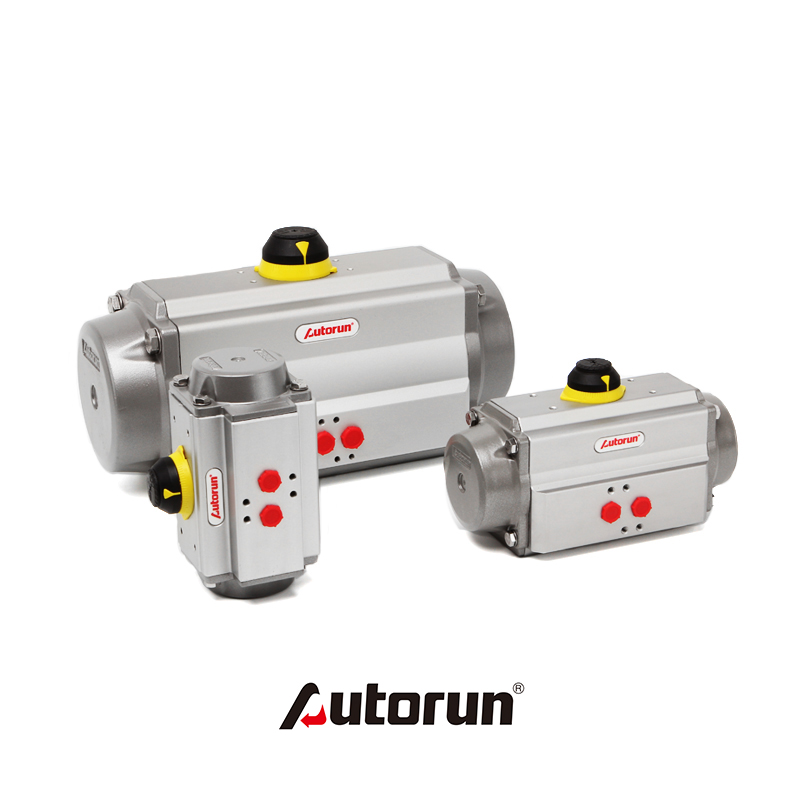
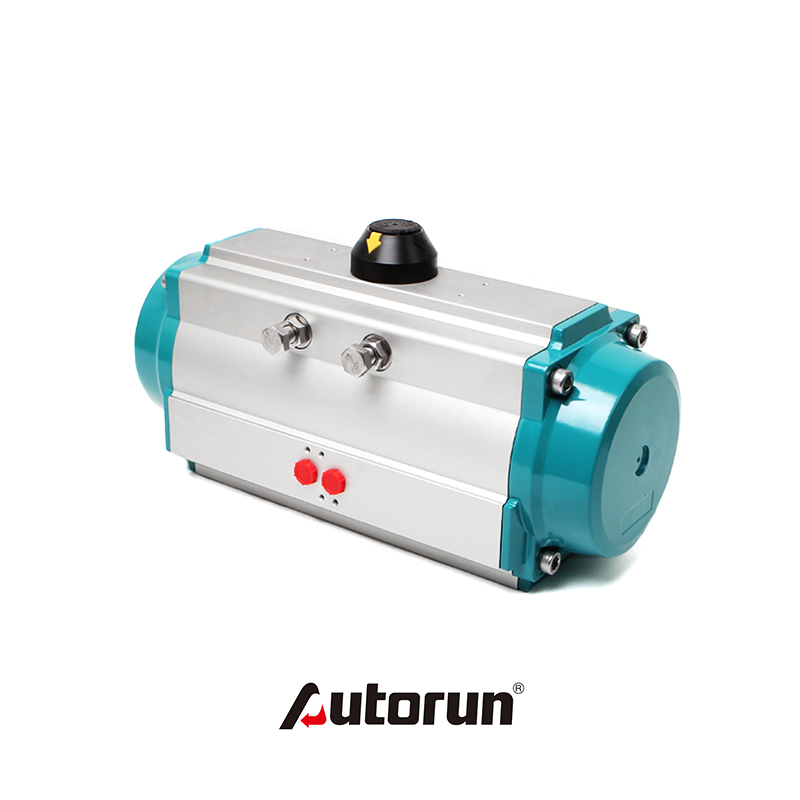
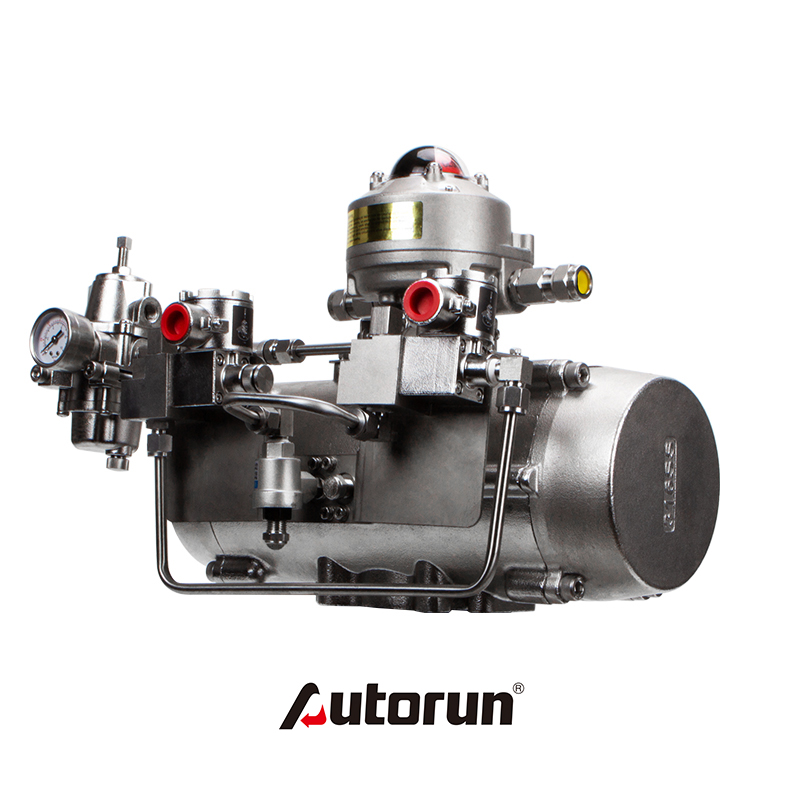
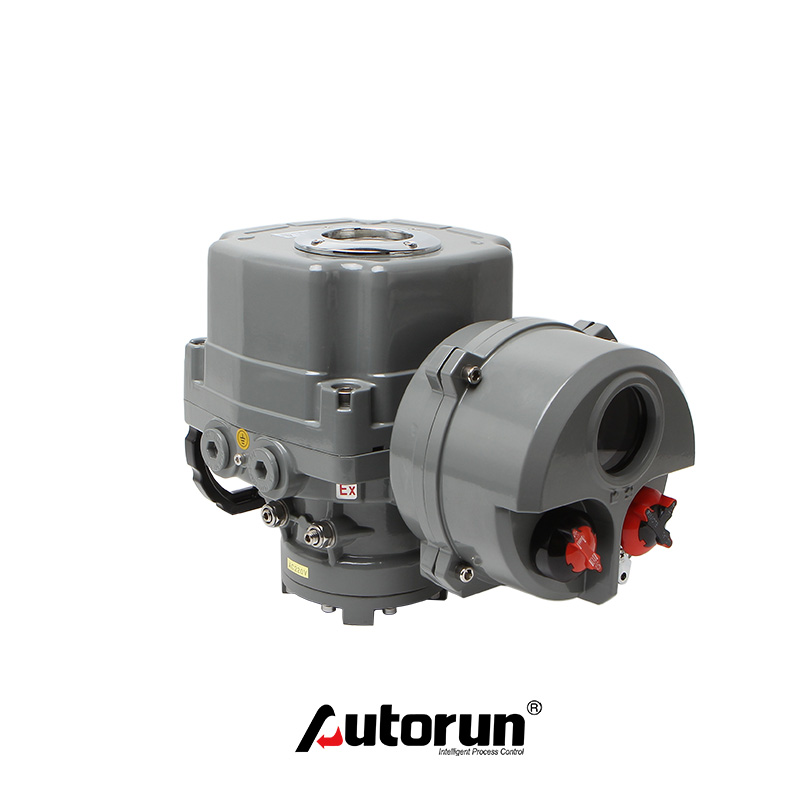
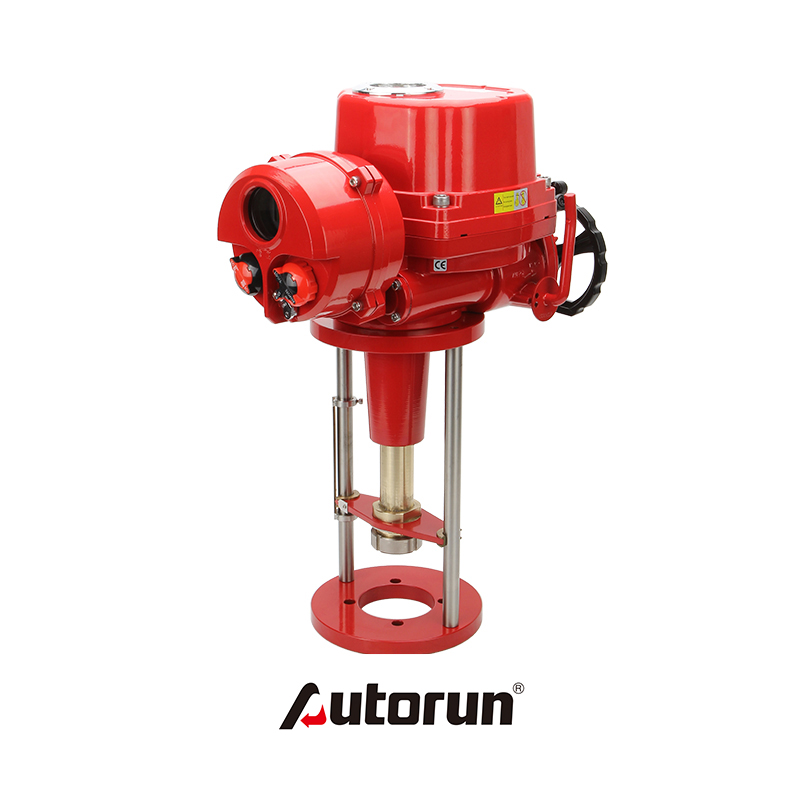
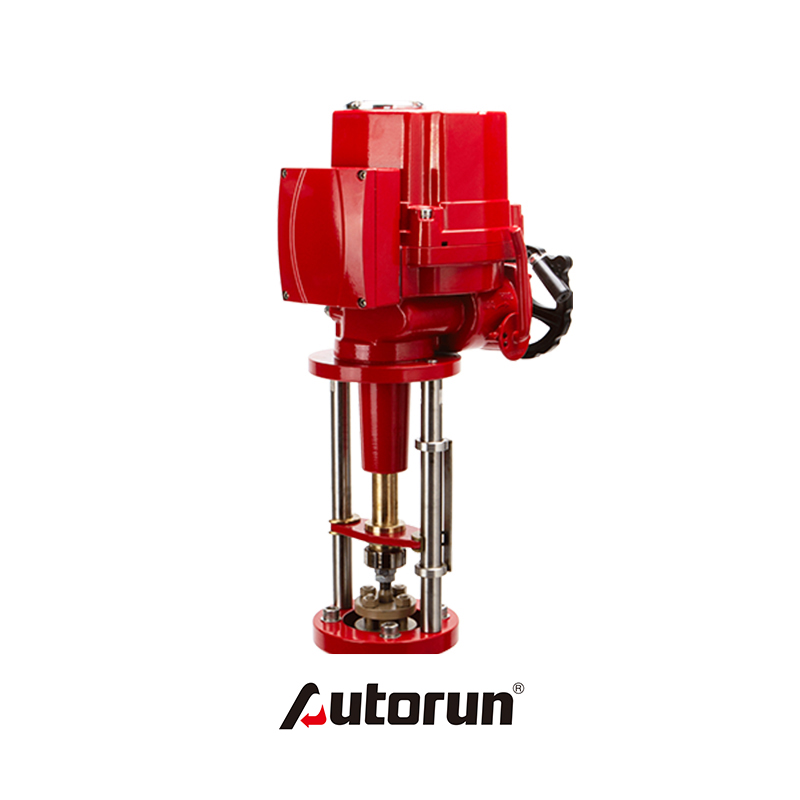
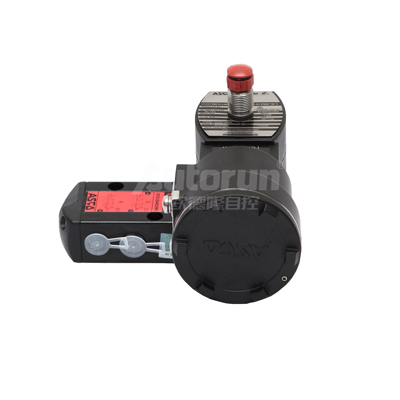
Product characteristics of vacuum butterfly valve:
1. It is designed and manufactured by a new construction method of welding medium-line disc plate with short structural steel plate. It has compact structure, light weight, convenient device, small flow resistance and large flow rate. It can prevent the influence of high temperature shrinkage and is cumbersome to operate.
2. No connecting rods, bolts, etc. inside, reliable operation and long service life. It can be multi-station device, not affected by the flow direction of medium.
Uses:
The butterfly valve is a non-hermetic butterfly valve. It is widely used in pipelines with medium temperature less than 300 C and nominal pressure of 0.1Mpa in the consumption process of building materials, metallurgy, mining and electric power. It is used to connect, open and close or regulate medium quantity.
Tectonic characteristics:
The butterfly valve system is designed and manufactured by a new construction mode of welding the middle-line disc plate with the short structural steel plate. It is compact in structure, light in weight, easy to install, small in flow resistance and large in flow rate, so as to prevent the influence of high temperature shrinkage and heavy in operation. There are no connecting rods, bolts, etc. in the body. It works firmly and has a long service life. It can be multi-station device, not affected by the flow direction of medium.
Working principle:
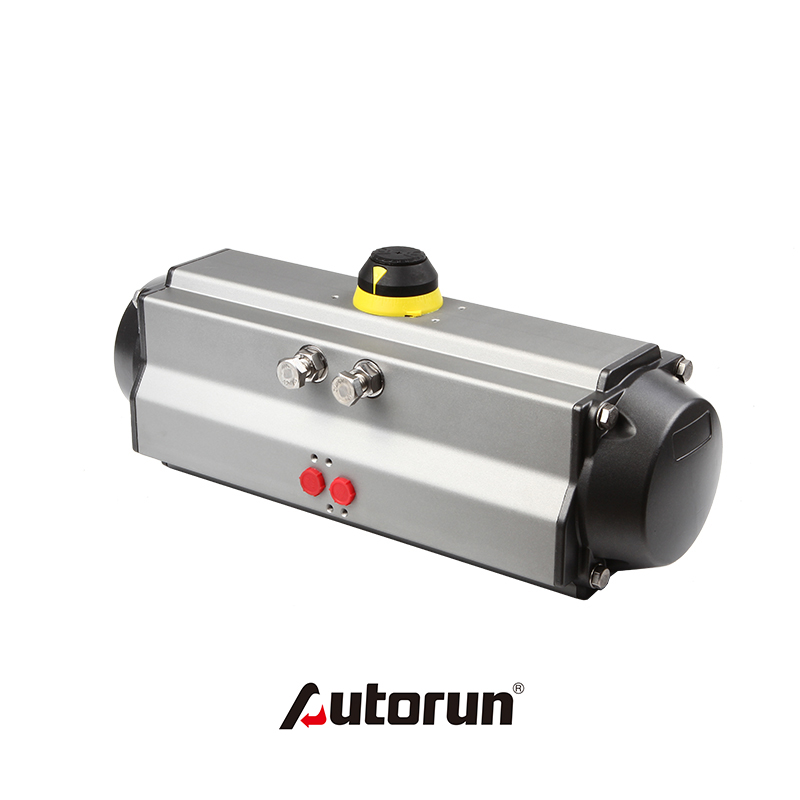
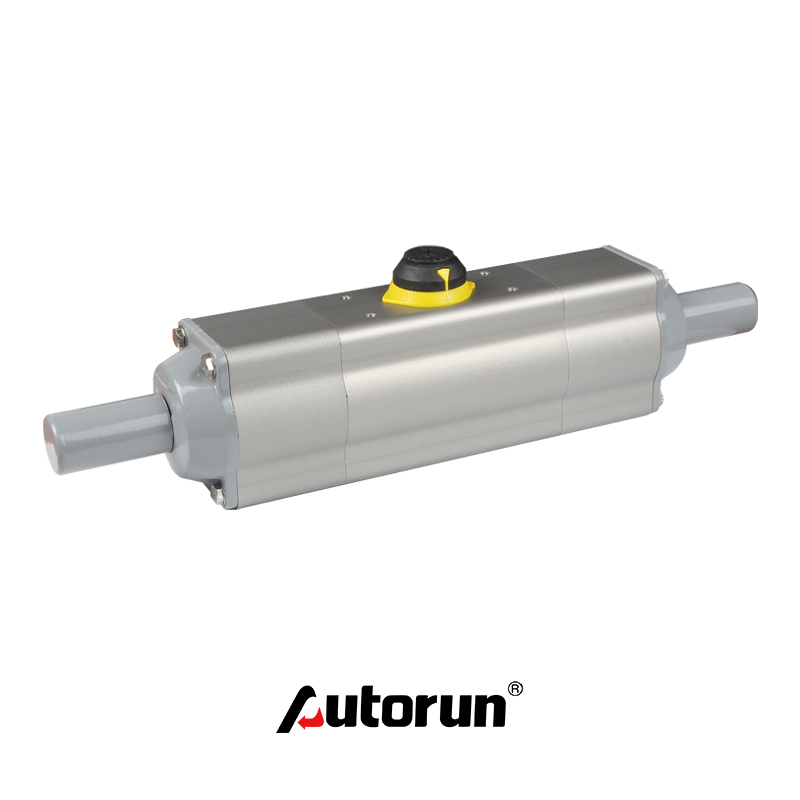
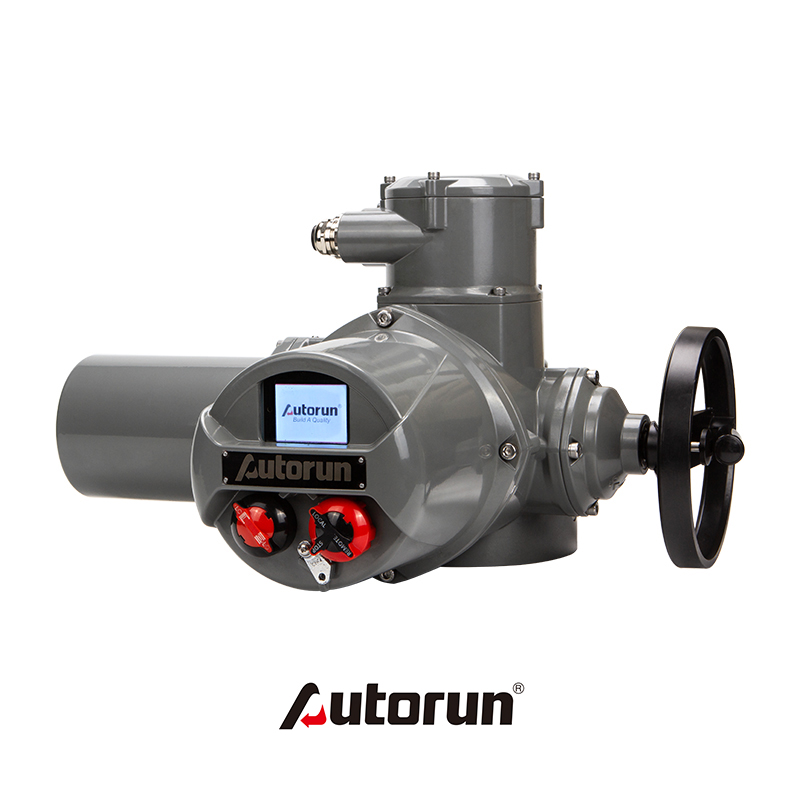
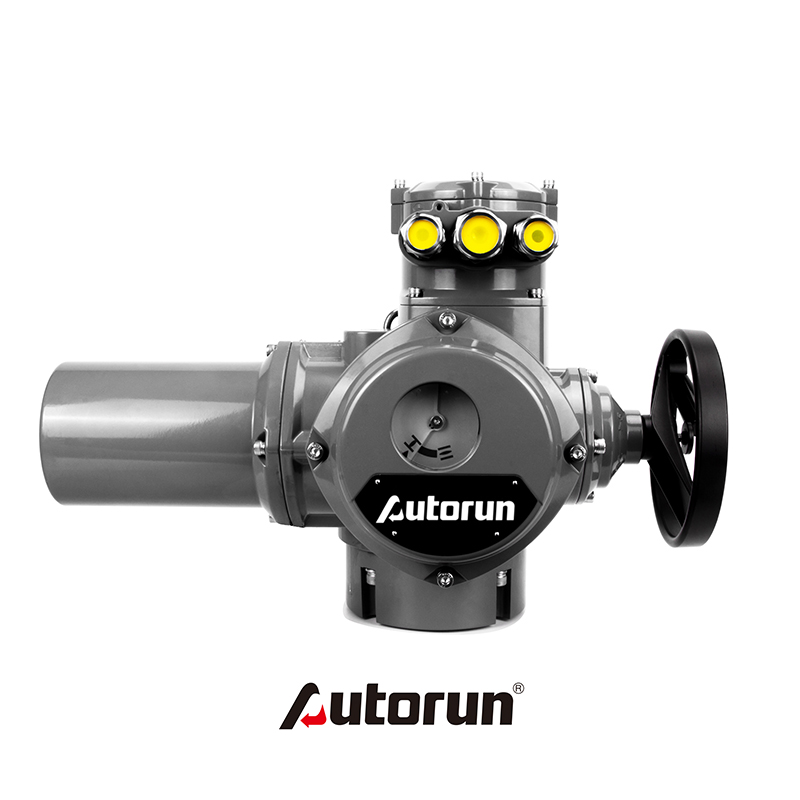
The butterfly valve is driven by a motor to drive the actuator, so that the disc plate can rotate freely within 90 degrees to achieve the purpose of opening and closing or regulating the medium flow. At present, fluorine-lined butterfly valves and rubber-lined butterfly valves have been widely used in many fields such as petroleum, chemical, metallurgy, hydropower and so on, as components used to complete the on-off and flow control of pipeline system. In the well-known butterfly valve technology, the sealing mode mostly adopts the sealing structure, and the sealing data are rubber, PTFE, etc. Due to the limitation of structural characteristics, it does not conform to high temperature, high pressure, corrosion resistance, wear resistance and other industries. An advanced butterfly valve is a three-eccentric metal hard-sealed butterfly valve. The body and seat are connected components, and the sealing surface of the seat is surfacing welded with heat-resistant and corrosion-resistant alloy materials. Compared with traditional butterfly valve, this kind of butterfly valve has the advantages of high temperature resistance, heavy operation, no friction in opening and closing. When closing, it compensates for the sealing with the increase of the torque of the transmission mechanism, which improves the sealing performance and prolongs the service life of the butterfly valve.
A. The following problems still exist in the operation of vacuum butterfly valve:
1. Because the multi-layer soft and hard overlapping seal ring is fixed on the valve plate, when the valve plate is normally open, the medium forms a positive erosion on its sealing surface, and the soft sealing belt in the interlayer of metal sheets is eroded, which directly affects the sealing performance.
2. Restricted by the construction conditions, the structure does not conform to make valves with diameters below DN200. The reason is that the overall structure of the valve plate is too thick and the flow resistance is large.
3. Because of the principle of rubber-lined butterfly valve, the seal between the sealing surface of the valve plate and the seat is to press the valve plate to the seat by the moment of transmission installation. In the positive flow state, the higher the medium pressure, the tighter the sealing extrusion. When the flow channel medium countercurrent, with the increase of medium pressure, the unit positive pressure between the valve plate and the valve seat is less than the medium pressure, the seal opening leaks.
4. The high performance ventilation butterfly valve is characterized in that the seat seal ring is composed of multi-layer stainless steel sheets on both sides of the soft T-shaped seal ring.
The sealing surface of the valve plate and seat is oblique conical structure. The alloy material of heat resistance and corrosion resistance is surfaced on the oblique conical surface of the valve plate. The spring fixed between the conditioning ring plate and the conditioning bolt on the pressure plate are assembled together. This structure effectively compensates the tolerance zone between the Bush and the valve body and the elastic deformation of the stem under the medium pressure, and solves the sealing problem of the valve in the process of two-way interchangeable medium delivery.
The sealing ring is composed of soft T-shaped multi-layer stainless steel sheets on both sides. It has double advantages of hard metal seal and soft seal. It has zero leakage sealing performance at low temperature and high temperature. Experiments show that the pressure on the sealing surface is caused by the action of the moment of transmission and installation and the pressure of medium on the valve plate in the positive flow state of the tank (the direction of medium movement is the same as that of the butterfly plate rotation). The tighter the extrusion between the oblique conical surface of the valve plate and the sealing surface of the valve seat, the better the sealing effect.