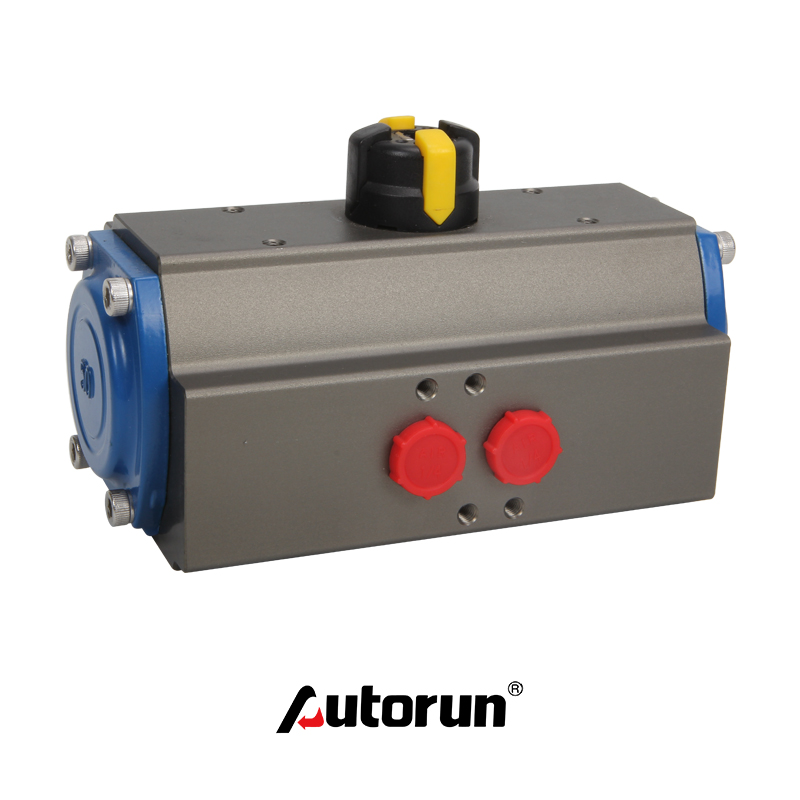
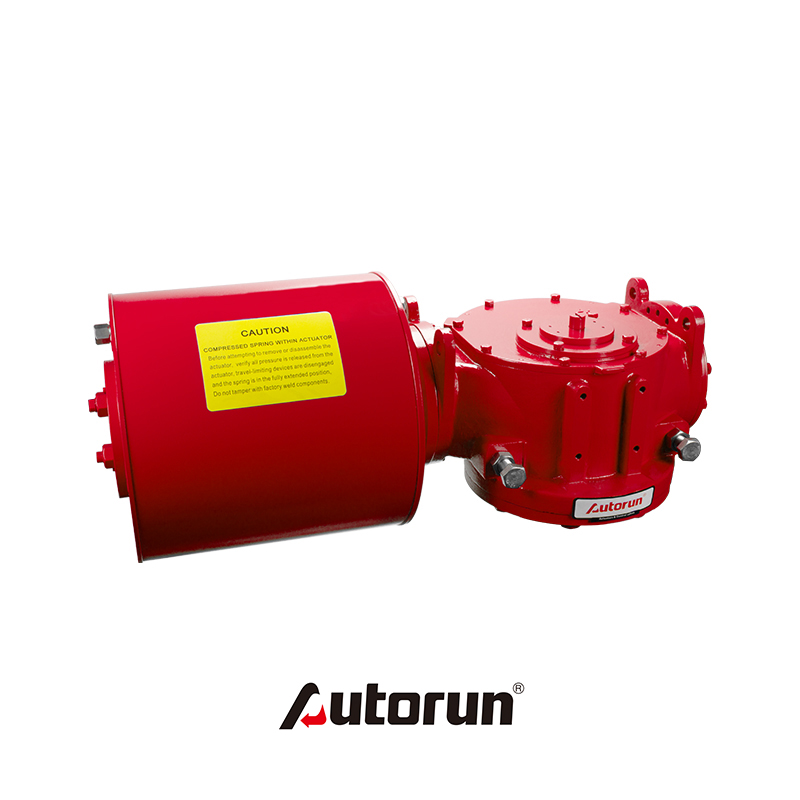
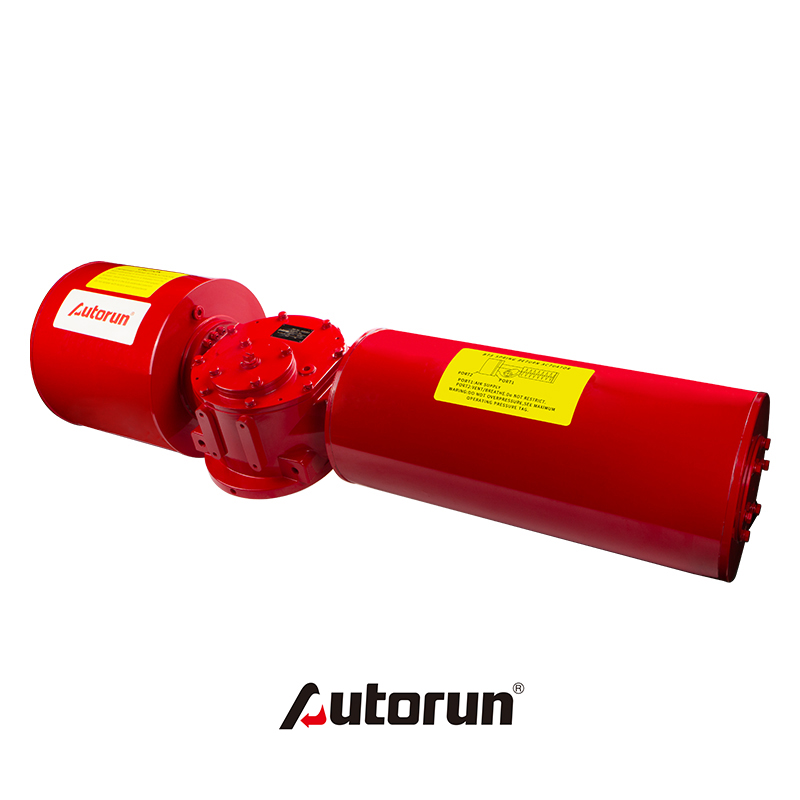
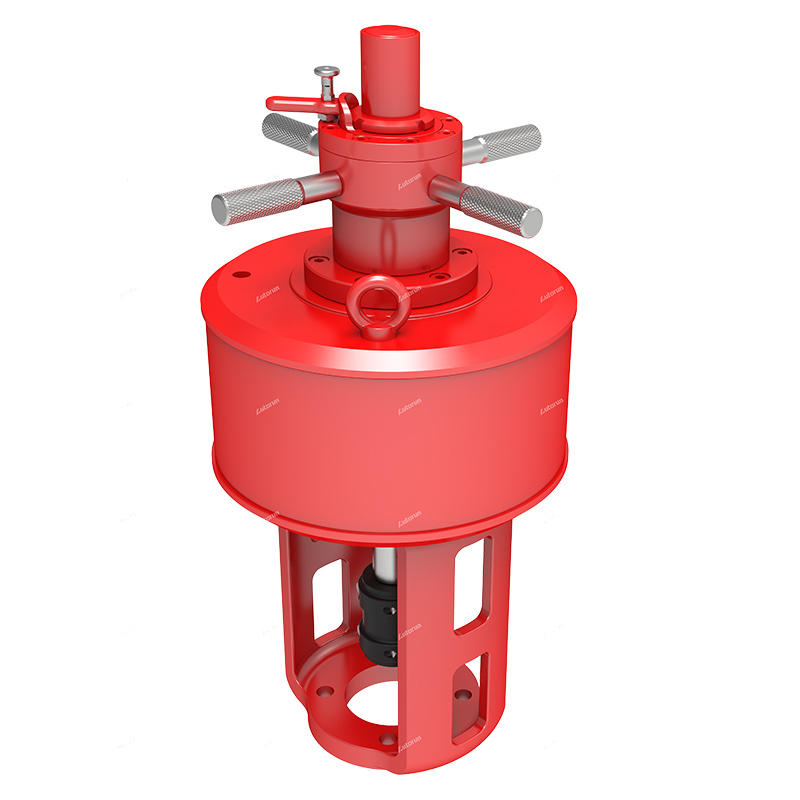
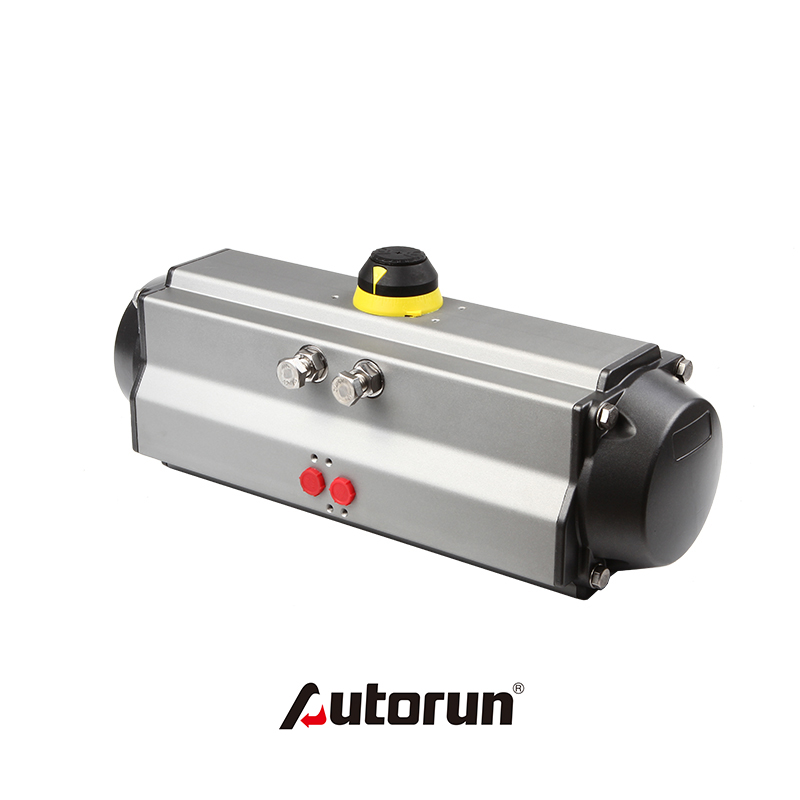
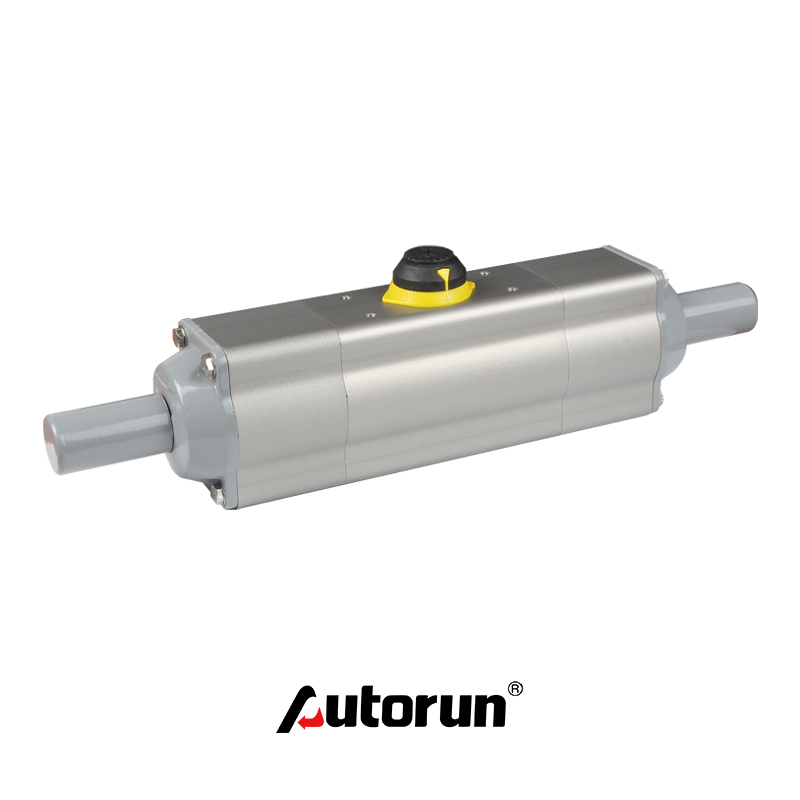
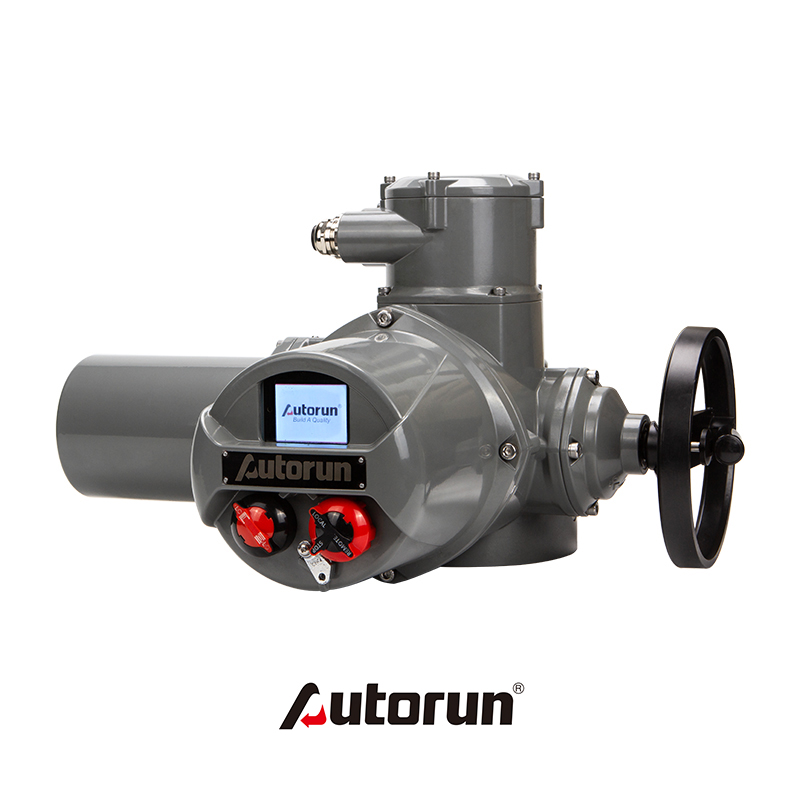
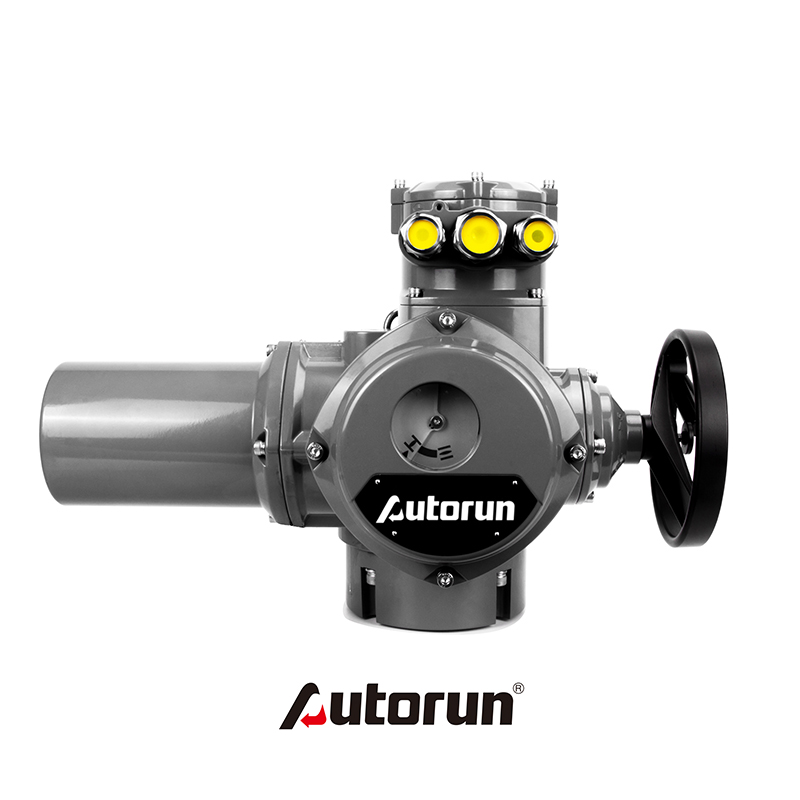
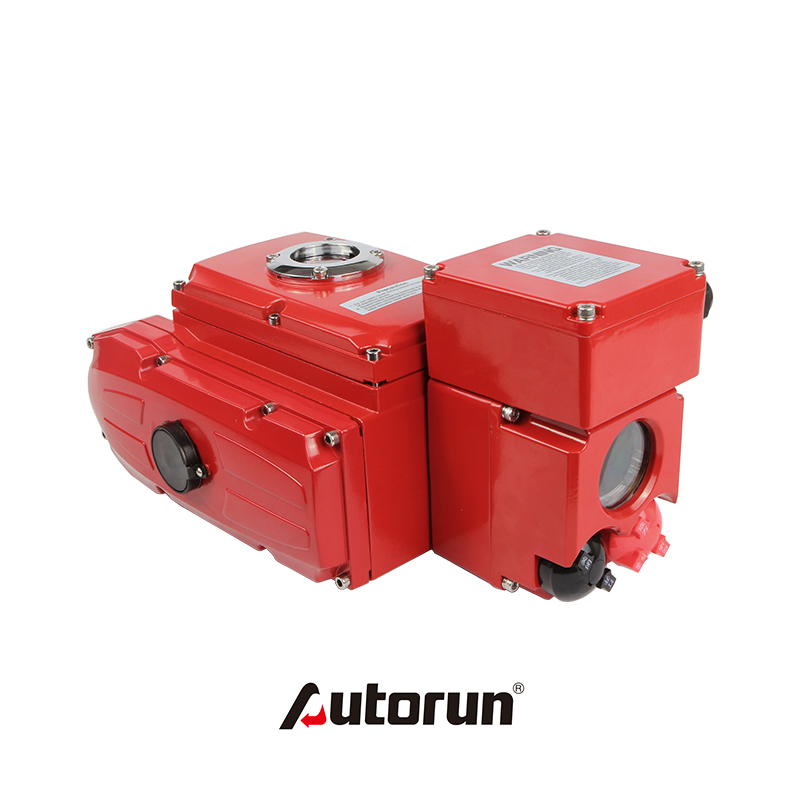
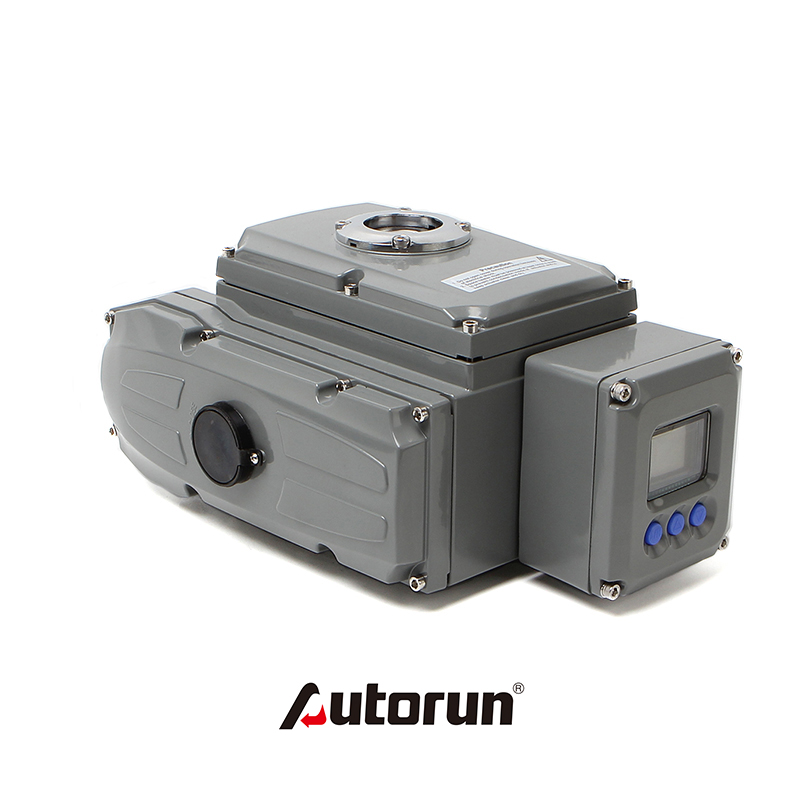
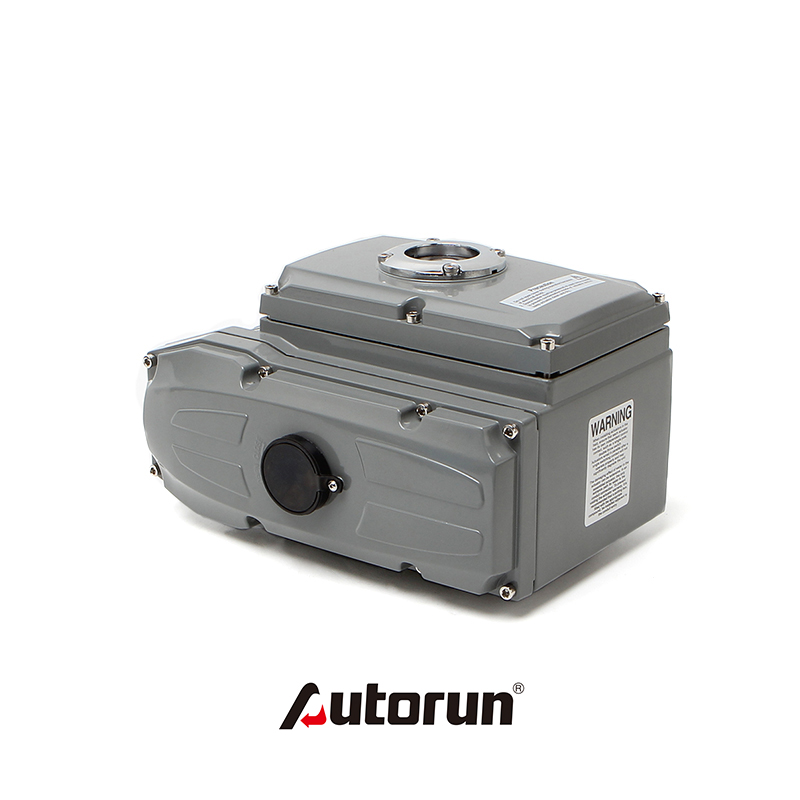
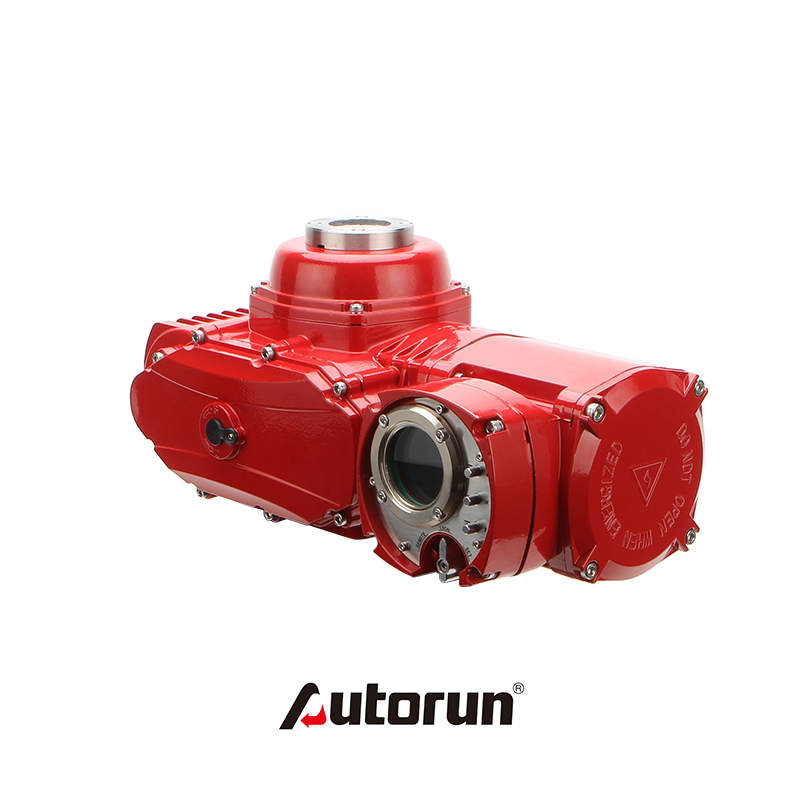
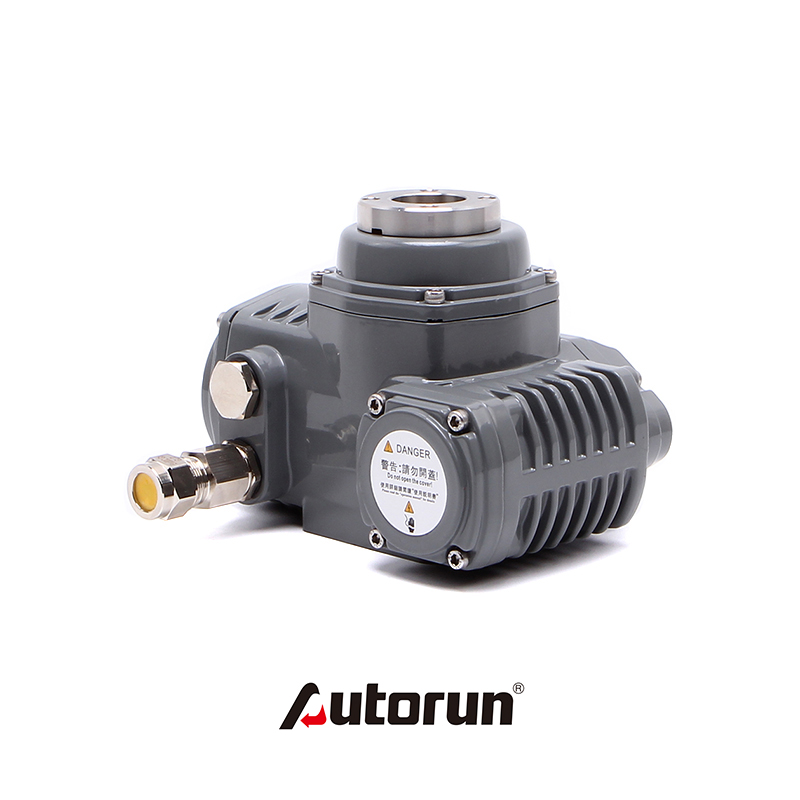
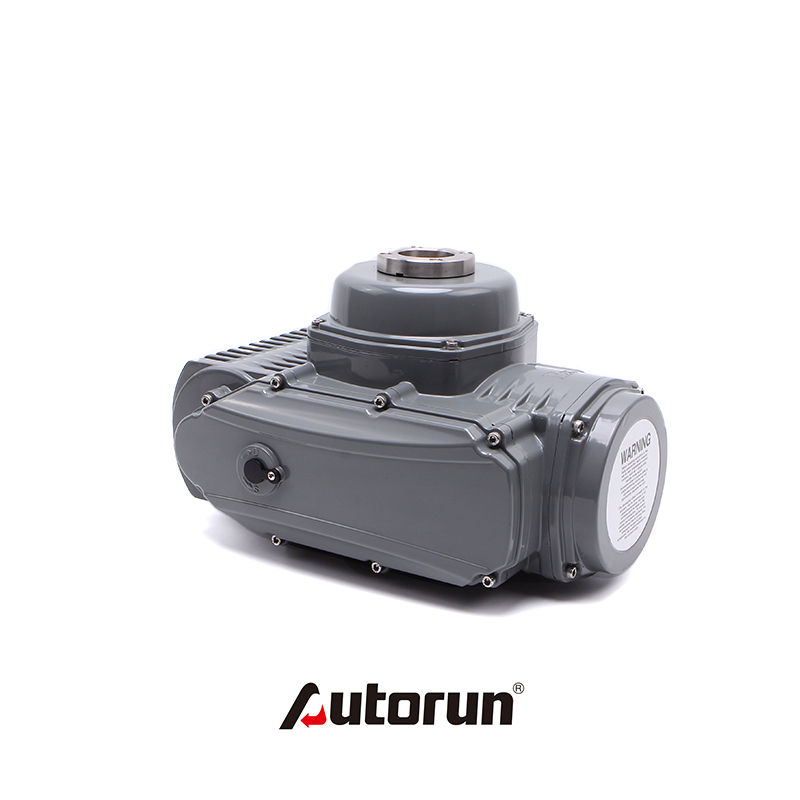
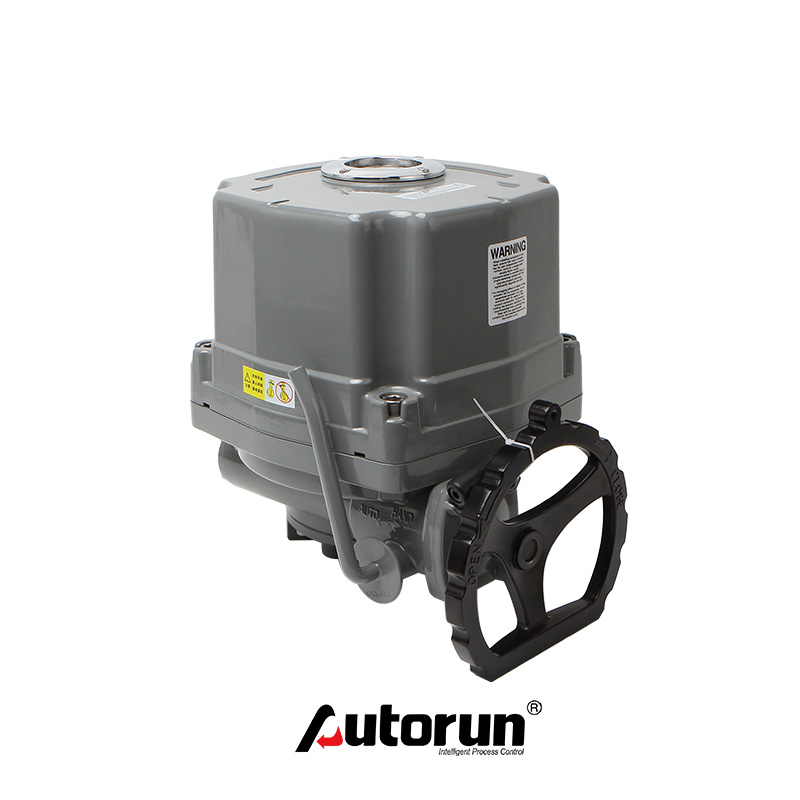
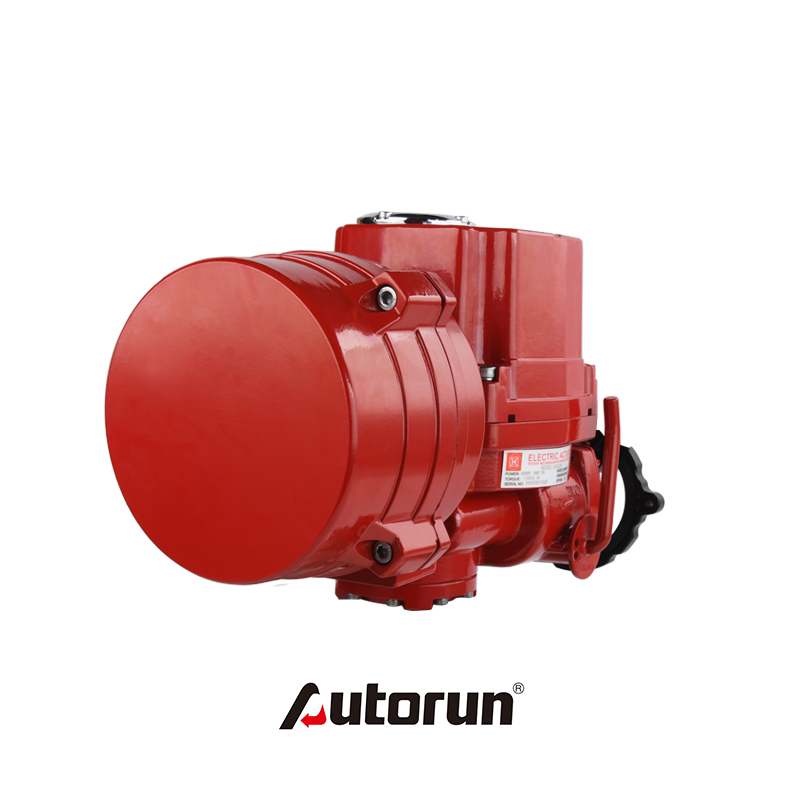
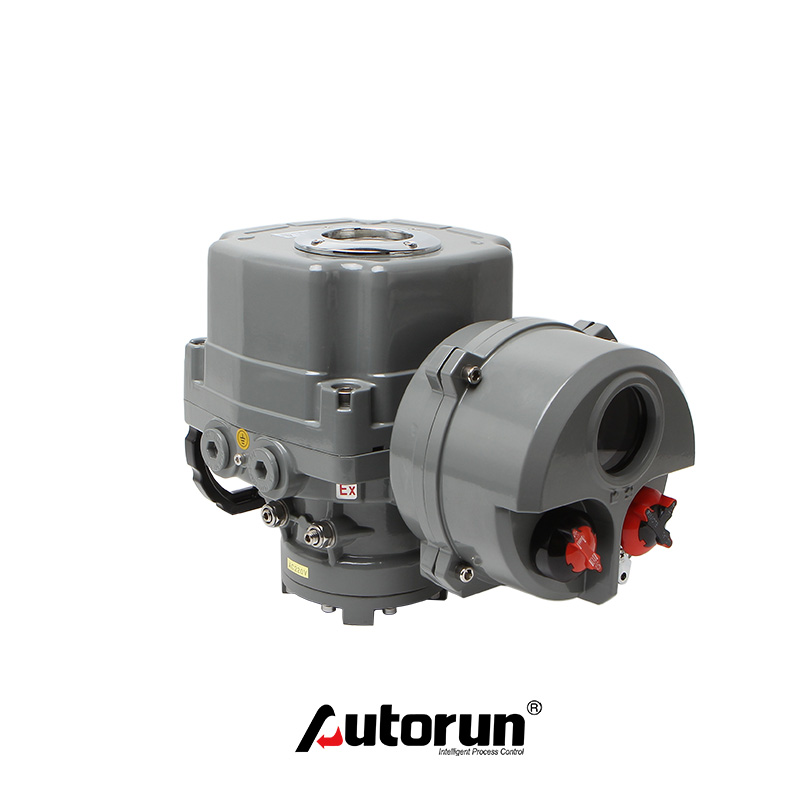
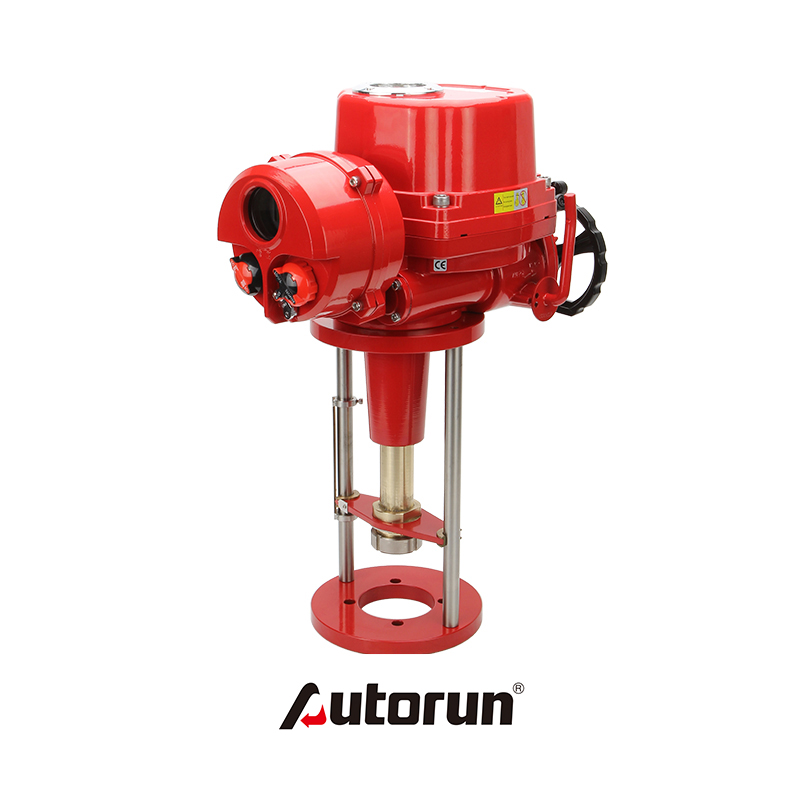
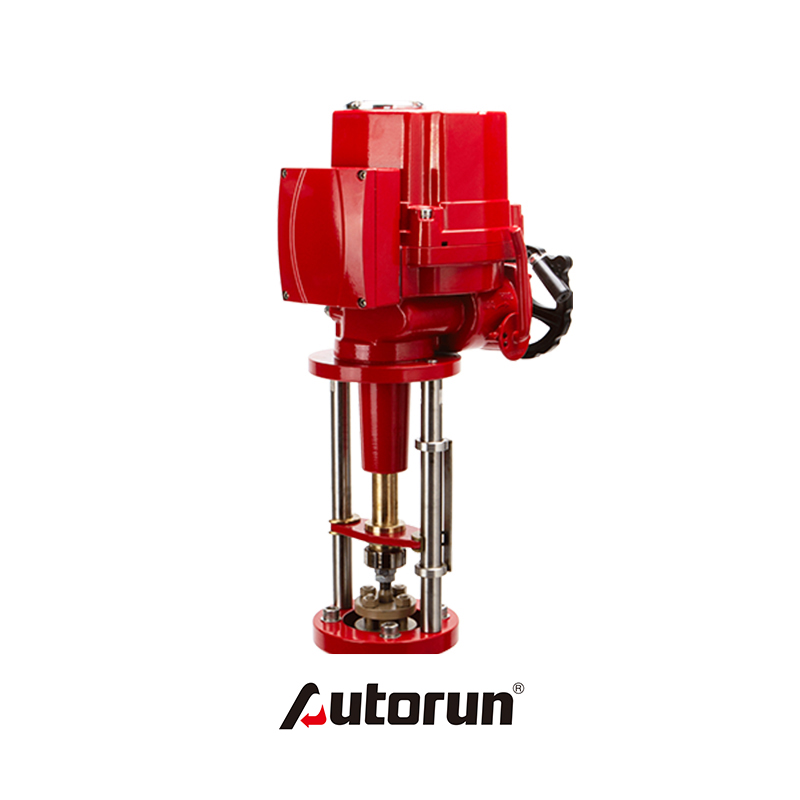
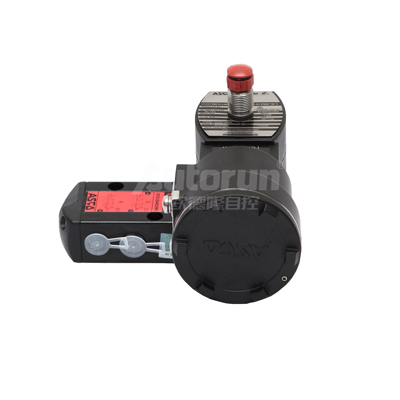
Like pneumatic actuator, electric actuator is an important part of control system. It receives 4-20 mA or 0-10 mA DC current signals from the controller and converts them into corresponding angular displacement or straight-stroke displacement to control valve, baffle and other control mechanisms to achieve automatic control.
Electric actuators have straight stroke, angular stroke and multi-turn type. The angular stroke electric actuator takes the motor as the power component and converts the input DC current signal into the corresponding angular displacement (0 degree to 90 degree). This kind of actuator is suitable for manipulating rotary control valves such as butterfly valves and baffles. The direct stroke actuator receives the input DC current signal and rotates the motor, then reduces the speed by a reducer and converts it into a linear displacement output to operate various control valves such as single seat, double seat, three-way and other linear control mechanisms. Multi-rotating electric actuator is mainly used to open and close gate valves, globe valves and other multi-rotating valves. Because of its large motor power, the largest is tens of kilowatts, which is generally used for on-site operation and remote control. These three types of actuators are all position servo mechanisms powered by two-phase AC motors. Their electrical principles are identical, but the reducers are different.

Main performance indicators of angular stroke electric actuator: three-terminal isolated input channel, input signal 4-20 m A (DC), input resistance 250 ohms; output torque: 40, 100, 250, 600, 1000 N.m; basic error and variation less than (+1.5%); sensitivity 240 mu A.
The electric actuator is mainly composed of servo amplifier and actuator. In the middle, the operator can be connected in series. The servo amplifier receives the control signal from the controller and compares it with the feedback signal of the output displacement of the electric actuator. If there is a deviation, the difference will be amplified by power to drive the two-phase servo motor to rotate. Move. The output shaft is driven to change the rotation angle by decelerating through the reducer. If the difference is positive, the servo motor will rotate positively and the output shaft angle will increase; if the difference is negative, the servo motor will reverse and the output shaft angle will decrease. When the difference is zero, the output contact signal of the servo amplifier stops the motor, and the output shaft is stabilized at the angle corresponding to the input signal. This position feedback structure can make the linear relationship between input current and output displacement better.
The electric actuator can not only cooperate with the controller to realize automatic control, but also realize the automatic control of the control system and the mutual switching of manual control through the operator. When the switching switch of the operator is placed in the manual operation position, the power supply of the motor is directly controlled by the forward and backward operation button, so as to realize the forward or reverse rotation of the output shaft of the actuator and carry out remote control manual operation.